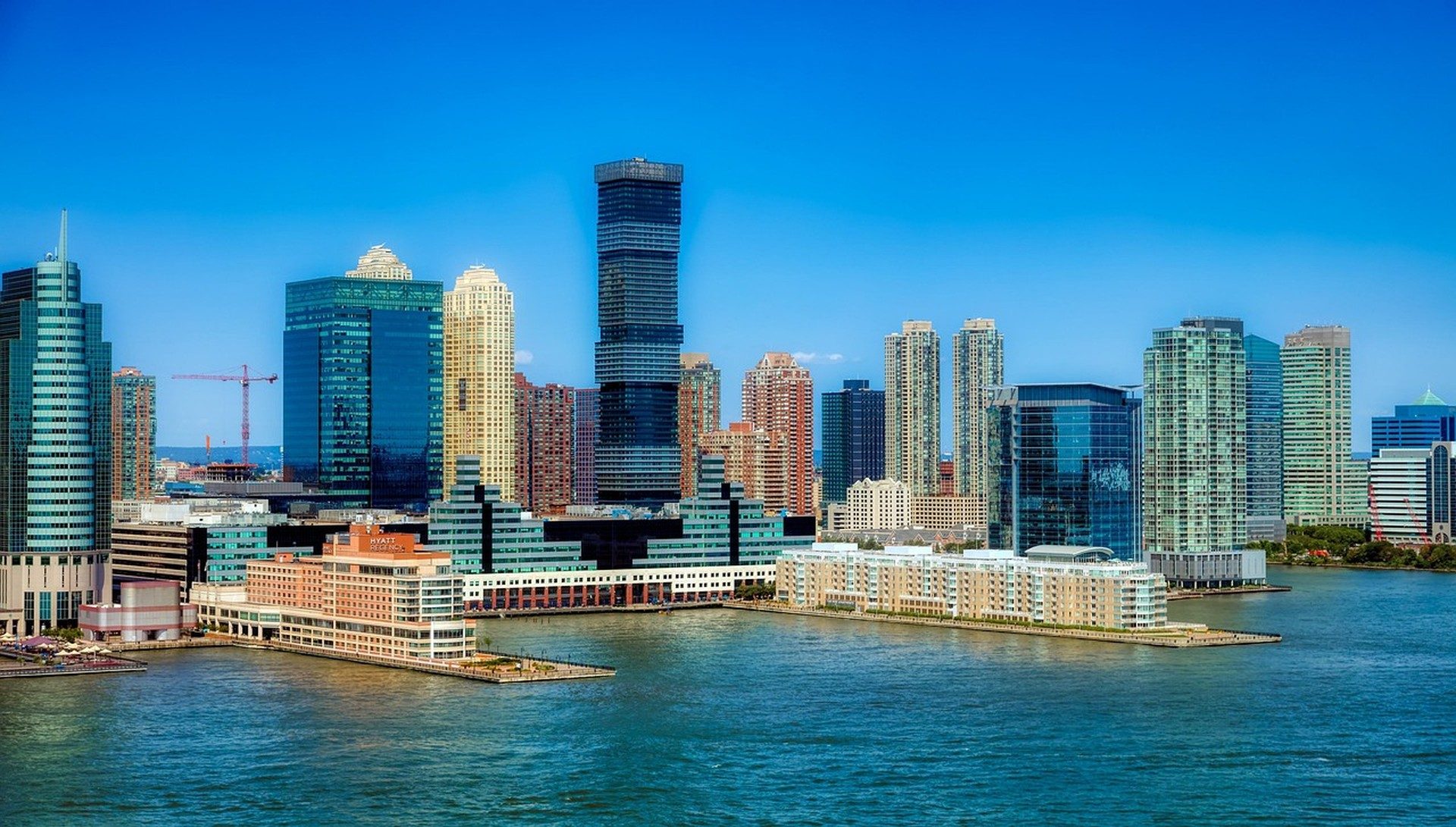
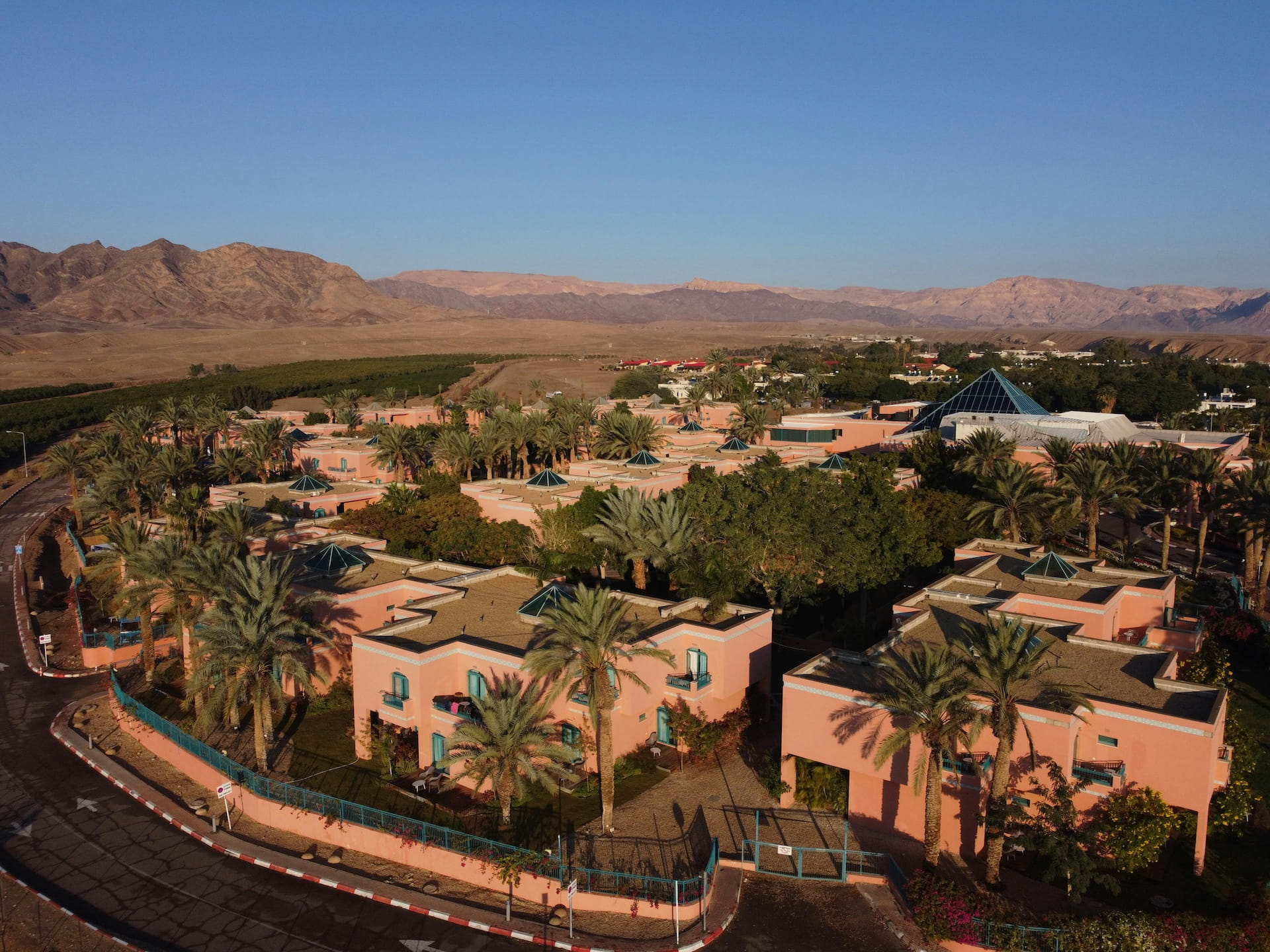
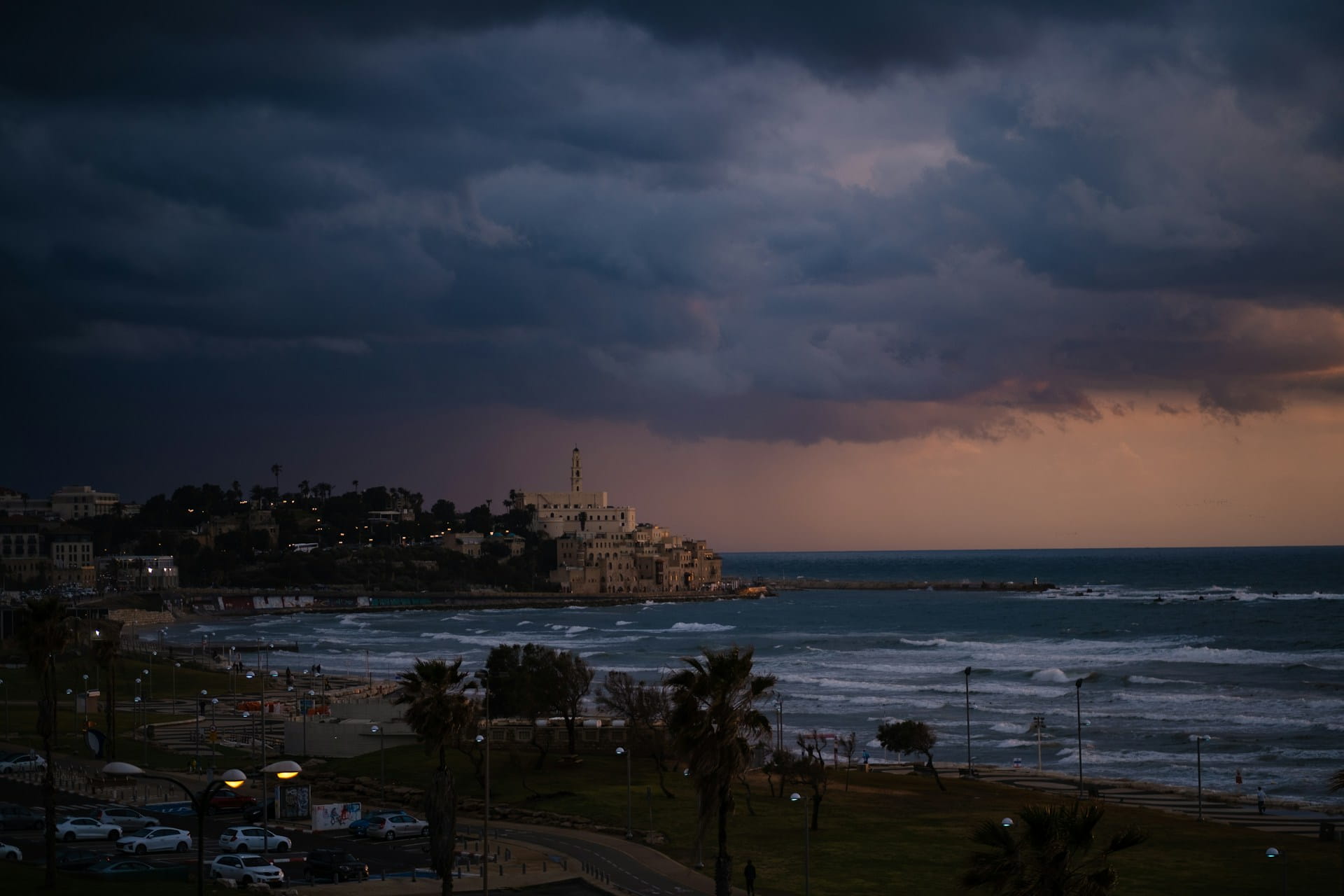
Jerusalem gathers capital that seeks both durable stone and living cultural return. Global markets watch how heritage projects in the city price against nearby hubs because restoration, adaptive reuse, and visitor infrastructure create distinct cost curves. Readers who follow world il jerusalem heritage capital costcurve patterns gain a clearer map of where money settles and why some sites attract longer holds than others.
Heritage assets here are not abstract. They include walls, courtyards, archival spaces, and mixed use buildings that must meet modern safety codes while honoring older fabric. Capital therefore prices labor scarcity, material authenticity, and regulatory time. The comparison that follows stays concrete so non experts can weigh regional differences without jargon.
Inflows That Settle on Sacred and Civic Layers
Money arrives from diaspora gifts, domestic institutions, and private equity sleeves that treat heritage as a multi decade claim. Some of that capital stays local; other portions cycle through Tel Aviv funds before reaching the Old City rim or newer western neighborhoods. The resulting stock of assets earns revenue through tickets, hospitality, research grants, and long leases rather than rapid flips.
Observers track these streams because they reveal risk appetite. When global liquidity tightens, heritage projects that already hold strong visitor data still raise smaller tickets, while green field sites pause. The Bank for International Settlements regularly publishes cross border banking statistics that help frame how much external money can reach such specialized assets in any given year.
Cost Curve Mechanics for Restoration Work
A cost curve in this setting simply plots total expense against the volume of square meters restored or the number of visitor spaces created. Early meters are expensive because scaffolding, specialized masons, and archaeological oversight dominate. Later meters become cheaper once supply chains and crews stabilize. Jerusalem curves often sit above those of less regulated cities because authenticity rules limit material substitutes.
Maintenance after opening also shapes the curve. Climate control for archives, seismic upgrades, and continuous cleaning add annual operating layers that pure commercial towers rarely face. Investors therefore model both the build phase and the long operating phase together. Ignoring either half distorts the true regional ranking.
Jerusalem Versus Neighboring Urban Budgets
Amman and Beirut offer useful side by side checks. Amman typically posts lower labor and permitting costs for comparable stone work, yet visitor yield can lag. Beirut once held deep craft capacity but security premia and insurance have pushed its effective curve higher in recent cycles. Jerusalem sits between them on pure construction yet often leads on realized revenue per restored meter because of unmatched global draw.
Cairo and Istanbul add further context. Large scale museum projects there can achieve scale economies that single Jerusalem courtyards cannot match. Still, the brand premium attached to Jerusalem heritage allows higher ticket and sponsorship pricing that flattens the net cost curve after revenue is netted. Readers who want broader Israeli market notes can browse the Israel archive for related capital flow stories.
Liquidity Corridors from Coastal Funds
Most Israeli institutional money originates on the coast and then seeks diversification inland. Heritage projects that clear local planning hurdles become eligible for that capital once they demonstrate stable cash flow or strong gift pipelines. The movement is rarely sudden; it follows multi year underwriting that weighs political continuity and tourism resilience.
Pension capital plays a growing role here. Large pools look for assets that match long dated liabilities, and well structured heritage holdings can serve that need when cash yields are predictable. For a deeper view of how these pools allocate, see Israeli Pension Funds and Alternative Assets: Migration and Talent Corridor Lens. Talent corridors matter because skilled conservators and project managers migrate with the money, reinforcing the local cost advantage once crews are trained.
Currency Swings and Financing Spreads
Shekel dollar and shekel euro moves alter the landed cost of imported stone treatments, climate systems, and foreign consultants. A stronger shekel lowers those inputs yet can deter overseas visitors who price trips in hard currency. Project sponsors therefore stress test both construction budgets and operating forecasts under multiple exchange paths.
Global rate settings also matter. Guidance from the US Federal Reserve influences dollar funding costs that many cross border lenders still use as reference. When those rates rise, thin equity layers on heritage deals face pressure first. Sponsors respond by lengthening construction loans or layering more gift capital early.
Heritage Holdings Beside Art and Other Legacies
Stone and parchment share balance sheet traits with high quality art. Both can appreciate through scarcity, both require specialist care, and both attract capital that values cultural continuity alongside financial return. The comparison helps investors size position limits. For a market wide look at that parallel, consult Art as a Legacy Balance Sheet Asset: Global Market Comparison.
In practice the two asset classes often sit inside the same family office or foundation sleeve. A Jerusalem courtyard restoration can serve as the real estate anchor while paintings and manuscripts supply the portable layer. Diversification across physical forms reduces concentration risk without abandoning the heritage thesis.
Operational Layers That Flatten Long Curves
Once a site opens, daily costs determine whether the original capital curve ever pays back. Security, climate, guided interpretation, and digital access tools all scale with visitor numbers. Successful operators treat these as investments that protect the underlying stone rather than pure expense. Data from ticketing and membership systems then feed the next capital raise with hard evidence.
Some projects adopt phased openings so early cash flow funds later wings. That approach keeps peak capital demand lower and shortens the time to break even. Sponsors who ignore phasing often face larger temporary equity needs that raise the overall cost of capital.
Risk Filters Used by Careful Allocators
Political continuity, tourism volatility, and regulatory change form the main filters. Allocators also examine governance of the operating entity, because poor board oversight can erase careful construction savings. Public data from the International Monetary Fund publications on regional fiscal health provide one external check on sovereign support capacity that can backstop larger civic projects.
Another filter is exit optionality. Pure gift funded sites rarely need an exit, yet mixed capital structures do. Clear title, transferable operating rights, and documented visitor history improve secondary market interest. For practical answers on structure questions that arise in this market, the FAQ (frequently asked questions) collects common points.
Advanced capital techniques sometimes appear in larger packages. One approach discussed in specialist circles is the layered privacy method known as What Is Ghost Protocol, which can shield donor identities while still meeting transparency rules for public matching funds. Such tools stay secondary to solid cost control and governance.
Where Foundation Tracks These Flows
Foundation follows Jerusalem heritage capital as part of its broader Israel coverage. Readers who want ongoing updates can visit Foundation Israel for research notes and market maps. The same team maintains the live Foundation Israel platform where additional datasets and event calendars sit.
The regional cost curve comparison remains a living exercise. Labor markets shift, new conservation standards appear, and visitor preferences evolve. Keeping the curves updated lets any adult reader judge whether a given project sits above or below its peer group before capital is committed. That discipline turns heritage from romantic story into measurable allocation.
Related Foundation reading: Financing Israeli Real Estate as a Non-Resident.
Timeless Value. Perpetual Legacy.