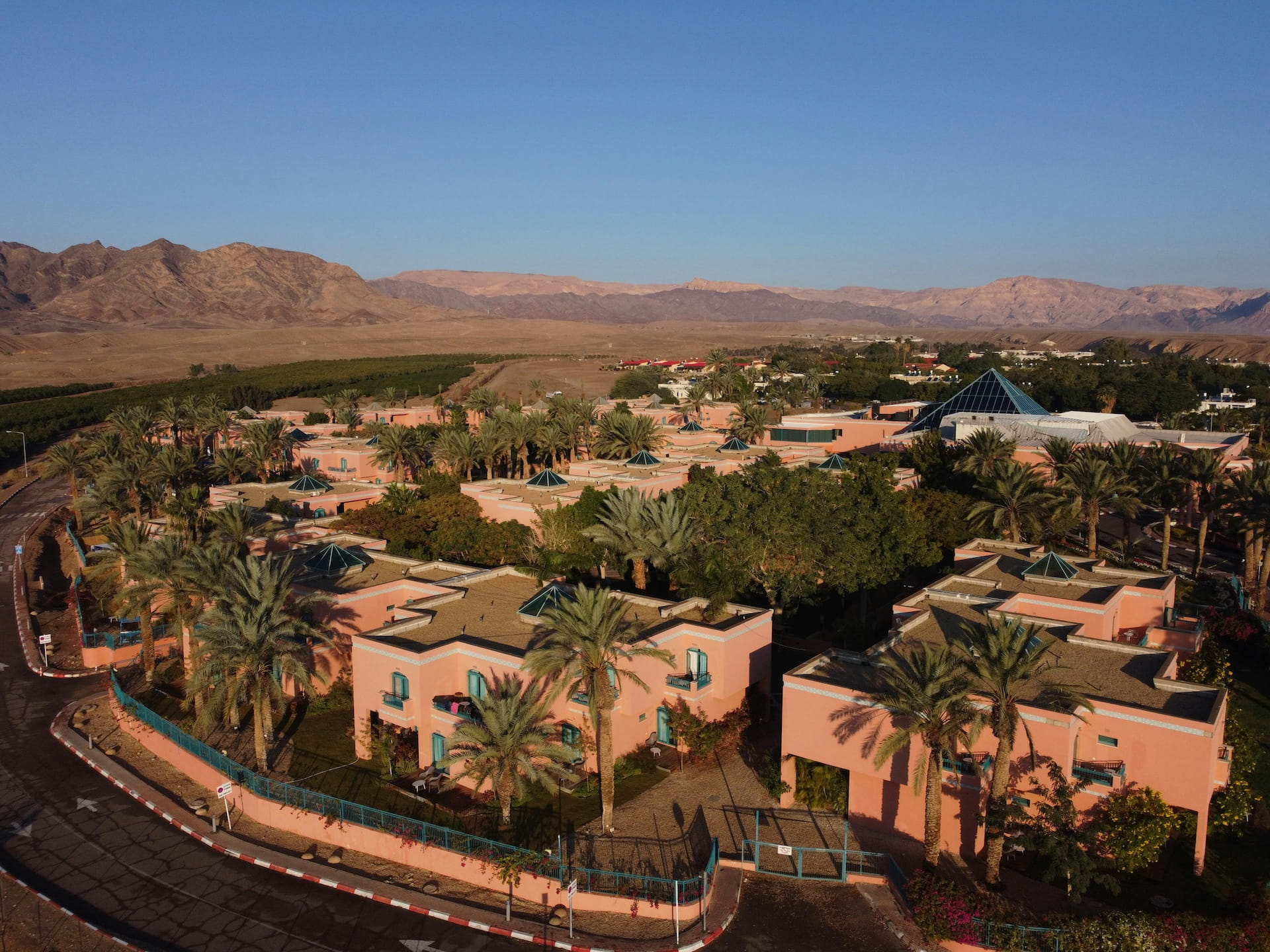
Off-market new construction in Israel describes finished or nearly finished residential towers, mid-rise blocks, and detached homes that change hands through private networks rather than open brokerage sites. Buyers learn of these units through developer introductions, family offices, or specialized advisors long before any public flyer appears. The practice thrives because Israeli land supply remains tight and demand from both local professionals and overseas capital stays elevated.
Global observers track such quiet activity because Israel’s residential pipeline often reflects broader capital-flow patterns noted by the World Bank. When unlisted inventory moves quickly, it signals confidence that may later appear in official housing statistics.
Quiet Channels for Unreleased Israeli Housing Stock
Developers frequently reserve entire floors of a new Tel Aviv or Herzliya building for a short list of contacts. These contacts receive floor plans, pricing sheets, and construction timelines under non-disclosure agreements. The goal is simple: fill units without paying marketing fees or signaling softness to the broader market.
Most such packages cover apartments still under construction yet already registered as distinct parcels. Ownership can transfer once a certain percentage of the structure stands, subject to municipal inspection. Buyers who understand the inspection calendar gain an edge because they can lock prices before the next cost-index adjustment.
Readers exploring deeper context on discreet methods often consult the explanation of What Is Ghost Protocol, which outlines one structured approach used by certain private networks. The same networks also surface opportunities in secondary cities where new builds remain less crowded.
Developers Who Prefer Direct Talks Over Open Listings
Large Israeli builders maintain internal sales desks that never post inventory online. Staff at these desks call or message known investors when a stage of construction reaches drywall or exterior cladding. Conversations focus on cash-flow timing, parking allocations, and storage-room upgrades rather than glossy marketing language.
Smaller boutique firms operate even more quietly. They may complete an entire hillside cluster of villas and sell every unit through a single family-office introduction. Because no broker commission is paid, the effective price can sit several percent below comparable listed stock. That discount, however, disappears once the project is fully sold and the next wave of construction begins.
Tracking these firms requires patience. Many appear only in the Israel archive when a completed deal later becomes public record. Until then, the only reliable route is personal introduction or affiliation with a group that already maintains developer relationships.
Coastal Towers Versus Hillside Villas That Never Reach Brokers
Seaside projects in Netanya and Ashdod often keep upper-floor units off market until lower floors sell. The logic is straightforward: early buyers create a price floor, allowing the developer to raise later quotes. Off-market purchasers who secure those upper floors early capture both view premiums and the initial lower pricing.
Inland hillside clusters near Jerusalem or the Galilee follow a different rhythm. Plots are smaller, construction phases longer, and local demand more seasonal. Developers therefore prefer to pre-place entire villas with foreign buyers who value privacy over beach access. These transactions rarely appear on any public board yet still require full Israeli title registration and tax compliance.
Both coastal and hillside segments form part of the broader picture covered under High-Net-Worth Real Estate Trends in Israel. The common thread is that unadvertised inventory continues to attract capital seeking less competition.
Paperwork Layers Guarding Private New Build Sales
Even private deals must pass the same legal filters as listed ones. A notarized purchase agreement, proof of funds, and Israeli tax identification remain mandatory. Foreign buyers also file a declaration of source of funds to satisfy anti-money-laundering rules. Skipping any step can delay registration at the Land Registry Office for months.
Construction warranties attach to the unit regardless of sale channel. Buyers receive a multi-year structural guarantee plus shorter coverage for finishes. Understanding the exact start date of that warranty is critical because off-market closings sometimes occur before the municipal occupancy certificate is issued.
Questions about documentation order and common pitfalls appear frequently in the FAQ (frequently asked questions). Reviewing those answers before first contact with a developer can prevent costly missteps later.
Capital Sources Drawn to Unlisted Israeli Towers
Family offices and private equity groups allocate portions of their real-estate sleeves to Israeli off-market stock because yields can exceed those of comparable listed assets after marketing costs are removed. Financing usually blends equity from the buyer with construction-period loans from Israeli banks that already know the developer’s track record.
Currency hedging matters. Many overseas investors convert dollars or euros into shekels only at signing, locking the rate for the remaining construction payments. The Bank for International Settlements regularly publishes cross-border banking statistics that help quantify how such flows affect local credit conditions.
Some capital also arrives via specialized platforms. One established route is the Foundation Israel platform, which connects qualified participants with vetted projects that never enter public listing systems.
Comparing Off-Market New Units to Land Banking Plays
Purchasing a completed or nearly completed apartment differs sharply from holding raw land for future zoning. Land banking requires patience measured in years and carries zoning-risk exposure. Off-market new construction delivers a finished product within months, cash-flow potential through rental, and clearer exit options.
Nevertheless the two strategies can complement each other. An investor who already owns banking land may later sell or joint-venture that land into a new project whose first units are then offered off market. Details of that longer-horizon approach appear under Land Banking Opportunities in Israel.
Data published by the OECD on housing tenure and construction permits help place both strategies in a comparative international frame. Israel’s permit volumes remain modest relative to population growth, supporting the scarcity premium that off-market buyers seek.
Signals That Hint at Upcoming Quiet Releases
Crane counts on the skyline, concrete-truck frequency, and municipal inspection schedules all serve as early indicators. When a tower reaches the stage of exterior glazing, private sales desks often begin soft outreach. Monitoring these physical signs costs nothing yet can surface opportunities weeks before formal introductions arrive.
Another reliable signal is the sudden appearance of model-unit furniture deliveries. Developers who stage an apartment for private viewing usually prepare to show it to a short list of contacts. Local residents and property managers notice such activity and sometimes share observations with trusted advisors.
For ongoing monitoring, many participants rely on the resources gathered at Foundation Israel. Those resources compile public construction data with private-network updates into a single reference point.
Long-Term Hold Strategies for Fresh Construction Assets
Once title transfers, the owner faces choices: occupy, rent, or hold vacant for appreciation. Rental demand in central Israel remains firm, especially for new units offering parking and modern systems. Long-term holders often retain the property through at least one full market cycle, capturing both rental income and capital growth.
Tax planning also influences the hold period. Capital-gains rules and depreciation schedules differ for residents and non-residents. Consulting an Israeli tax advisor before the first anniversary of purchase can preserve flexibility for later exits.
Ultimately, off-market new construction rewards those who combine careful legal review with patient capital. The inventory never floods the open market, so competition stays limited and pricing discipline remains high. Participants who treat each quiet opportunity as a long-horizon asset rather than a quick flip tend to report the most consistent outcomes.
Related Foundation reading: Dnipro Industrial Corridor Potential: Explained in Plain Language.
Timeless Value. Perpetual Legacy.