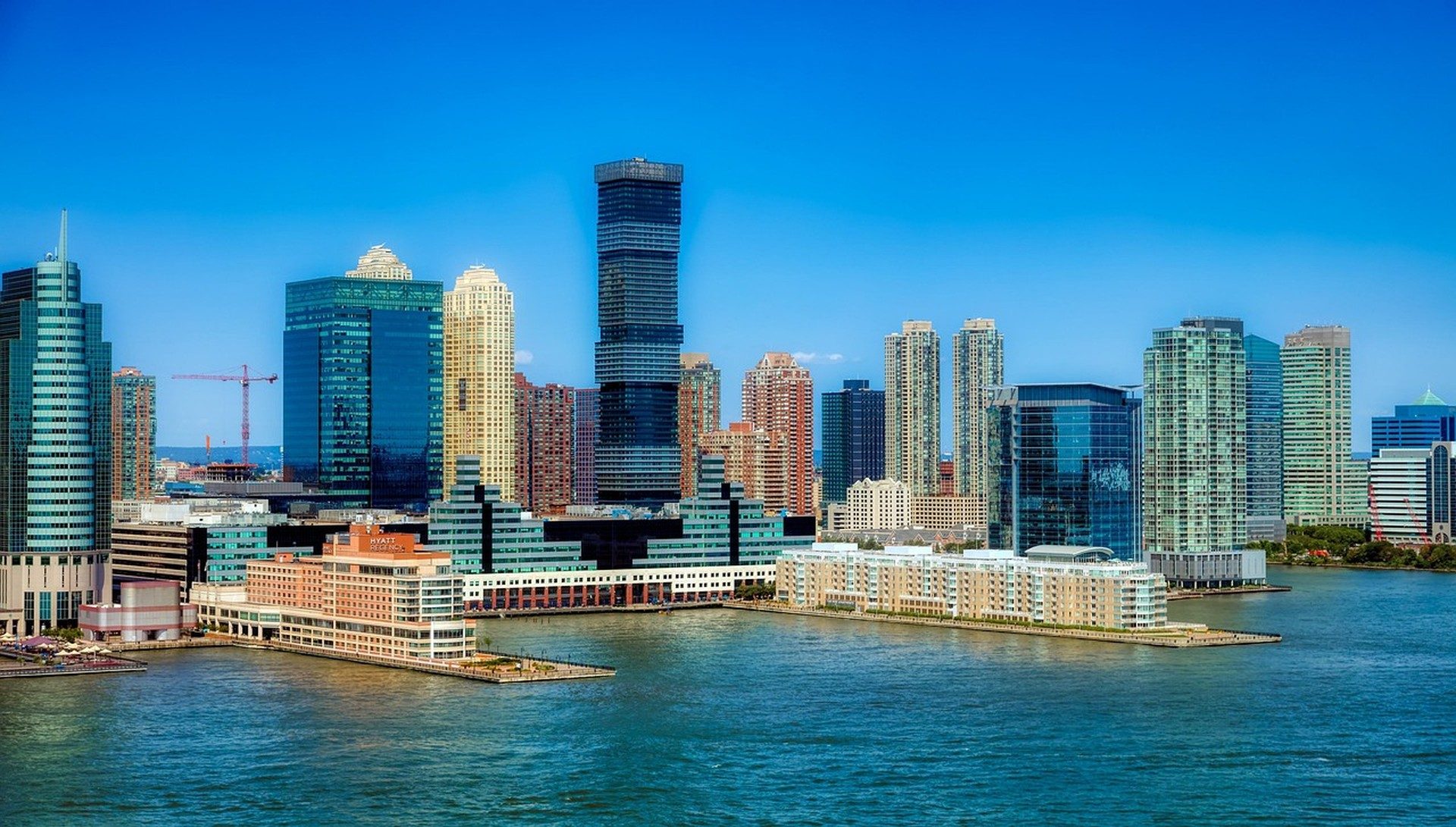
Tel Aviv sits at a rare junction where technology founders, family offices, and cross-border capital meet in a compact coastal city. Readers new to the idea of a gateway capital node often hear the phrase without a clear map of what it means on the ground. This piece explains the concept for adults who want plain context rather than slogans, and it frames the city as a living switchboard for money, talent, and ideas that move between Israel and the rest of the world.
A gateway capital node is a place where capital does not merely arrive and stop. It arrives, gets recombined with local talent or structures, and then moves outward again into other markets. Tel Aviv has earned that description because founders, investors, and advisors can complete complex steps of a deal in a short radius while still remaining plugged into global standards. The keyword cluster world il tel aviv gateway explainer captures the practical question many first-time readers bring: what makes this particular Israeli city function as an on-ramp rather than a closed local loop.
The Geography of Access Rather Than Isolation
Tel Aviv is not the political capital, yet it concentrates the commercial and innovation density that global capital cares about. Air links, English-speaking deal culture, and a dense calendar of conferences keep the city open to outsiders. Capital nodes thrive when outsiders can land, meet counterparties, and leave with executed term sheets or follow-on conversations. That operational openness is why many desks treat the city as a first stop for anything involving Israeli technology or dual-listed opportunities.
Physical proximity still matters. A morning meeting in Rothschild Boulevard can connect to an afternoon call with a European family office and an evening review with a New York counsel. The time-zone bridge between Europe and the United States further amplifies the city’s usefulness as a coordination hub. Readers who track the Israel archive will notice how often stories of capital formation begin with a Tel Aviv introduction even when the eventual investment lands elsewhere.
Startup Density as the Magnetic Core
The concentration of early-stage and growth companies creates continuous demand for capital and continuous supply of exit narratives. Venture firms, corporate venture arms, and high-net-worth individuals therefore keep permanent or rotating presence. Density lowers search costs: an investor can sample multiple sectors in a single week without leaving the metropolitan area. That efficiency is a classic feature of a capital node.
Many of the same founders later become limited partners or angel investors themselves, recycling liquidity back into the local and global ecosystem. The recycling effect strengthens the node because capital that leaves after an exit often returns in a more sophisticated form. For newcomers, the practical takeaway is simple. When a city can regenerate its own investor base, it is less dependent on any single foreign cycle.
How Capital Actually Moves Through the Node
Capital rarely travels as pure cash wires. It travels as equity rounds, convertible notes, secondary sales, and co-investment vehicles that may later sit inside more permanent structures. Some families that first encounter Israeli innovation through a venture round later explore longer-horizon vehicles. In that context, materials such as Dynasty Trust Structures Across Jurisdictions: What New Readers Should Know become relevant once the initial check has proven its thesis and multi-generational planning enters the conversation.
Banks, fund administrators, and specialized counsel in the city understand both Israeli corporate law and the reporting expectations of major financial centers. That bilingual fluency reduces friction. It also explains why certain compliance and structuring conversations that feel slow in other markets can move faster here. The node does not invent new physics of money; it simply compresses the steps that money must take.
Philanthropy and Innovation Share the Same Tables
In Tel Aviv the dinner after a product demo often includes both venture partners and philanthropic principals who care about the same technological domains. The overlap is not accidental. Many successful founders view social investment as a parallel track rather than a later-life activity. Readers seeking a clear journalistic map of that overlap can start with Israel Philanthropy and Innovation Overlap: A Journalist's Primer.
Shared tables create shared language. When philanthropic capital and commercial capital sit next to each other, risk frameworks and impact metrics begin to influence each other. The result is a richer set of capital instruments available inside the node, from pure equity to hybrid vehicles that carry measurable social goals. New readers should therefore watch both the term-sheet news and the foundation grant announcements; they often signal the same underlying networks.
Standards That Travel With the Money
Global capital insists on reference points that survive outside any single jurisdiction. Macro and regulatory observers therefore keep an eye on publications and data released by the OECD, the Bank for International Settlements, the US Federal Reserve, and the body of International Monetary Fund publications. Tel Aviv participants quote these sources because counterparties in London, Singapore, or New York already treat them as common language.
Alignment with those benchmarks is part of what makes the city a credible gateway. A fund that can show clean reporting against widely accepted metrics travels farther. The same discipline appears in due-diligence processes that reference international rather than purely local standards. Newcomers who learn to read those external references will understand why certain deals clear quickly while others stall.
Security Culture and Operational Continuity
Capital nodes require confidence that ordinary business can continue under stress. Tel Aviv’s technology sector has long incorporated resilience planning into product and corporate design. Some of that planning is public; some remains tightly held. For a concise entry point into one specialized conversation, see What Is Ghost Protocol. The broader point for capital readers is that operational continuity itself has become a competitive feature of the node.
Continuity attracts patient capital. Family offices and endowments that think in decades rather than quarters look for environments where management teams have already stress-tested their processes. The city’s track record of restarting after disruption reinforces that reputation. Readers can explore further practical questions through the FAQ (frequently asked questions) maintained by Foundation.
Where Foundation Readers Can Go Next
Understanding Tel Aviv as a gateway capital node is only the first step. The next step is deciding how the node fits an individual portfolio, philanthropic program, or reporting beat. The dedicated pages at Foundation Israel and the live Foundation Israel platform offer ongoing coverage and tools oriented to the same audience that found this explainer. Both resources treat the city as a working system rather than a headline.
New readers should leave with three concrete observations. First, the city concentrates talent and capital in ways that reduce search and coordination costs. Second, capital that enters often leaves again in more sophisticated forms, which is the hallmark of a true node. Third, the same networks that move commercial capital also move philanthropic and multi-generational capital, creating unusual overlaps worth watching. Those three facts, held together, turn the abstract phrase “gateway capital node” into a usable mental model for the world il tel aviv gateway explainer search intent.
Related Foundation reading: EU Accession and Its Effect on Ukrainian Real Estate Value and New York Office to Residential Transitions: Cross-Border Benchmarking .
Timeless Value. Perpetual Legacy.