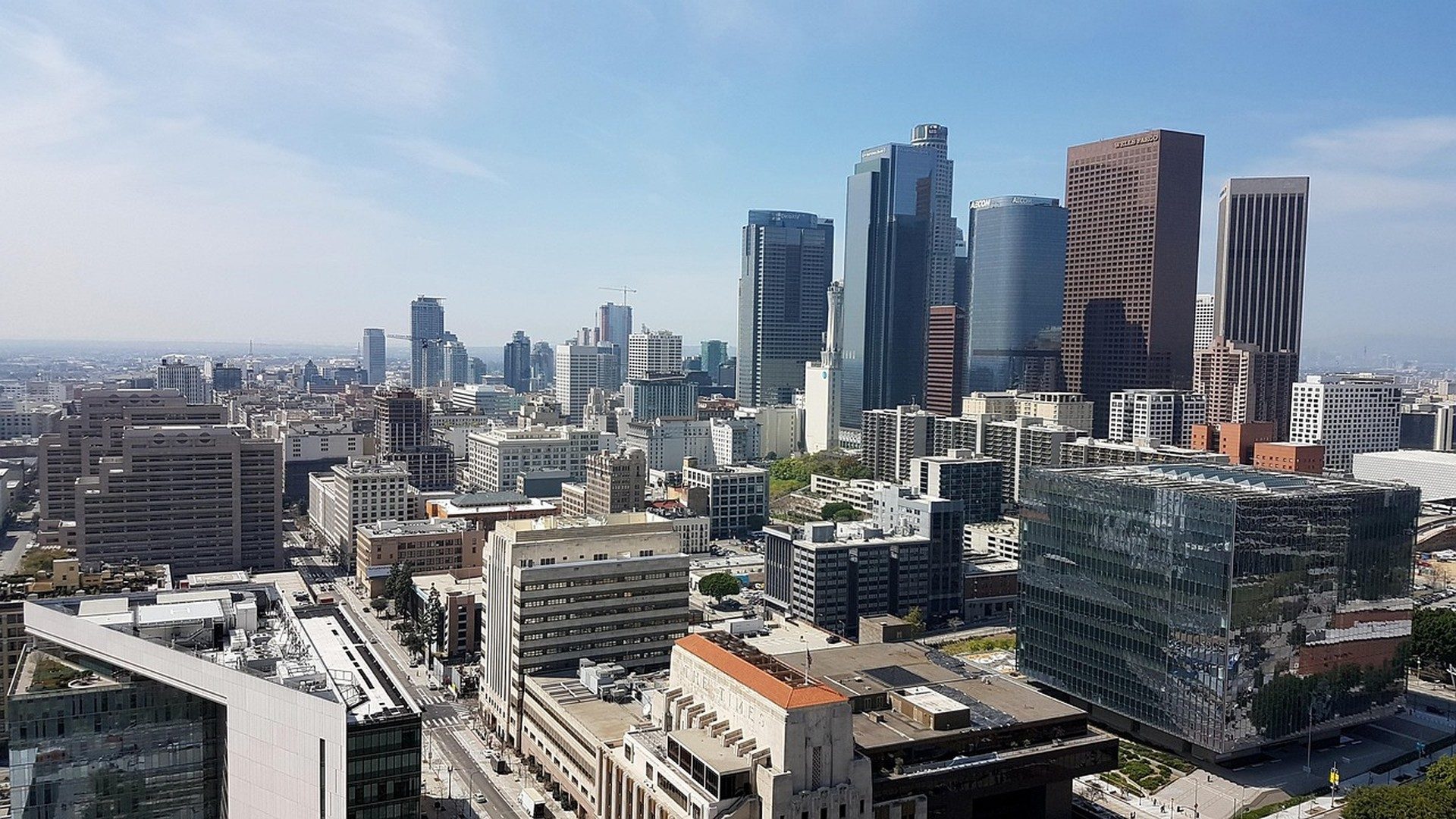
Manhattan’s most recognizable towers and corner parcels rarely trade as simple investments. For many buyers they function as long-horizon instruments meant to outlast careers, currencies, and even family generations. A journalist covering the story needs a clear map of how these properties move from balance-sheet entries into durable legacy tools, especially when capital arrives from every major market on the planet.
The Quiet Language of Landmark Deeds in Midtown and Beyond
Trophy assets in New York City announce themselves through more than skyline height. They carry zoning protections, air-rights packages, and often cultural associations that make demolition or radical redesign nearly impossible. That permanence is exactly what attracts stewards who want something more enduring than a stock portfolio. When a holding company acquires a full-block tower near Central Park or a prewar office building on Park Avenue, the public announcement usually emphasizes prestige. The private conversation centers on whether the structure can be locked into a vehicle that resists ordinary sale pressure for decades.
Reporters who dig into the deed language quickly notice references to conservation easements or long-term ground leases. These clauses are not decorative. They reduce the chance that a future owner will strip the building for short-term gain. For readers following the story from Singapore, London, or São Paulo, the practical point is simple: permanence has a market price, and Manhattan still charges a premium for it.
Trophy Status Versus Pure Speculation in the Global Press
Coverage often collapses “trophy” into a synonym for expensive. That error blurs the distinction that matters for legacy planning. Pure speculation chases appreciation cycles timed to interest-rate moves tracked by the US Federal Reserve. Legacy acquisition, by contrast, accepts lower near-term yields in exchange for institutional recognition and political durability. The same tower can serve both motives, yet the ownership structure reveals which motive dominates.
A useful test appears in the holding period stated in offering memoranda. Speculators plan exits inside five to seven years. Legacy holders speak of half-centuries and beyond. When journalists examine the New York Trophy Office Towers Worth Watching roster, they can sort assets by announced horizon rather than by headline price. That sorting separates fashion purchases from multigenerational bets.
Structures That Convert Bricks into Bloodline Assets
Once a property is identified, the next question is how title is held. Simple fee-simple ownership exposes the asset to divorce settlements, creditor claims, and estate taxes that can force a sale. Sophisticated buyers therefore place the tower inside a purpose-built trust or a layered limited partnership that can survive the original principal. Readers new to these arrangements will find a plain-language overview of Dynasty Trust Structures Across Jurisdictions: What New Readers Should Know essential before they attempt to decode any single transaction.
Cross-border capital adds another filter. A family office based in the Gulf or East Asia may route the purchase through a Delaware limited liability company owned by a foreign trust, then appoint a New York institutional trustee for day-to-day control. The goal is continuity across generations while still satisfying local tax and reporting rules. Journalists who map only the visible purchaser miss the deeper architecture that turns a building into a bloodline instrument.
Mapping Donor Intent Onto Iconic Addresses
Some trophy assets leave the pure investment lane and enter philanthropy. A portion of rents or a future sale right may be pledged to a university, museum, or hospital. That pledge can reduce transfer taxes and create a public story that protects the property from purely commercial redevelopment. Understanding how those gifts interact with city institutions requires more than a press release. The companion guide New York Philanthropy and City Institutions: Explained in Plain Language walks through the main vehicles without legal jargon.
When coverage links a landmark purchase to a named foundation, the first task is to verify whether the donation is irrevocable or merely aspirational. Irrevocable gifts appear in public filings; aspirational language often lives only in soft-focus interviews. Distinguishing the two keeps the story accurate and protects readers from overstated claims of civic virtue.
Why Currency Shifts and Rate Cycles Matter to These Holdings
Global capital that buys Manhattan real estate still prices risk in its home currency. A sudden move in the yen, euro, or renminbi can alter the carrying cost of a leveraged tower even if the building itself stays fully leased. Macro data published by the World Bank and comparative statistics from the OECD help reporters gauge how large those currency exposures have become. At the same time, liquidity conditions tracked by the Bank for International Settlements influence the willingness of international banks to refinance long-term mortgages on these assets.
None of this analysis requires forecasting the next rate decision. It simply requires asking whether the ownership vehicle has matched currency and duration risk to the intended holding period. Legacy tools that ignore those matches eventually face forced refinancings that undermine the original plan.
A Reporter’s Checklist for Ownership Layers
Practical verification begins with public land records and entity filings, then moves to trust instruments when they can be obtained. Look first for the ultimate beneficial owner rather than the shell company that signed the deed. Next examine whether the structure contains a “no-sale” covenant or a right of first refusal held by a family entity. Those clauses signal legacy intent more clearly than any brochure photograph.
Further reading inside the New York archive supplies earlier case studies of similar structures. When questions arise about process or terminology, the site FAQ (frequently asked questions) page answers the most common points of confusion. Journalists who need the broader institutional context can also consult the Foundation Newyork section and the live Foundation New York platform for additional primary material.
Reading Market Signals Without the Hype
Every cycle produces breathless headlines about “the most expensive address.” Legacy buyers ignore most of that noise. They watch vacancy trends among true peer buildings, the quality of long-term tenants, and the political climate around property-tax reform. A tower that still attracts global law firms and banks after a recession has demonstrated the durability that multi-decade ownership demands.
The primer’s final caution is modest: no structure is permanent if the stewards lose focus. Even the strongest dynasty arrangement requires successive generations who understand both the asset and the purpose it was meant to serve. Journalists who keep that human element in view will produce coverage that remains useful long after the current transaction cycle ends.
Readers comparing notes on Manhattan Trophy Assets as Legacy Tools A Journalist s in global markets should keep one dated source list and one named owner for updates so the next review of Manhattan Trophy Assets as Legacy Tools A Journalist s does not restart definitions. Article reference world-226.
If two teams disagree about Manhattan Trophy Assets as Legacy Tools A Journalist s, write the disagreement in one paragraph with the evidence each side trusts before any money language expands around Manhattan Trophy Assets as Legacy Tools A Journalist s. Article reference world-226.
A short refusal note for Manhattan Trophy Assets as Legacy Tools A Journalist s should say what was parked, why it was parked, and who can reopen the file on Manhattan Trophy Assets as Legacy Tools A Journalist s after new facts arrive in global markets. Article reference world-226.
Related Foundation reading: Contact and Foundation Incubator.
Timeless Value. Perpetual Legacy.