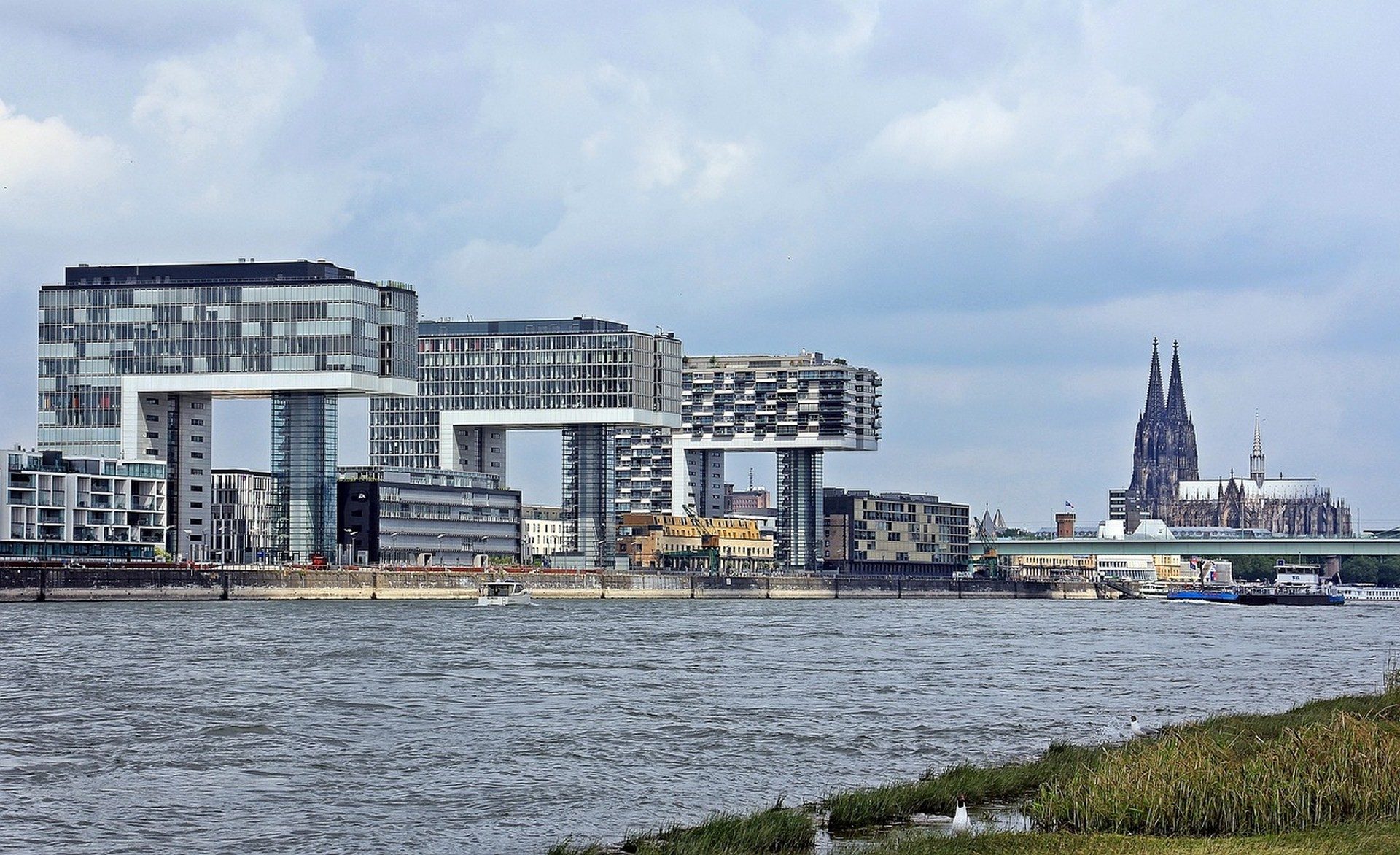
Trophy real estate stands for the thinnest, most recognizable slice of property stock: landmark towers, waterfront estates, and historically protected commercial shells that rarely trade. When comparing new york israel ukraine real estate at this tier, investors are not comparing average offices or apartments. They are comparing assets that serve as status markers, capital parks, and long-horizon stores of value across three very different national systems.
The comparison begins with geography and ends with exit readiness. America concentrates global demand in a handful of Manhattan blocks. Israel channels capital into a compact high-tech and defense economy that still values physical prestige addresses in Tel Aviv and Jerusalem. Ukraine presents recovery-oriented prime parcels in Kyiv that price both scarcity and residual security risk. Foundation tracks all three because each supplies a distinct form of scarcity that does not perfectly correlate with the others.
Signature Address Power That Set Prices Apart
In America a trophy office tower earns its label through height, architect name, tenant roster, and adjacency to established corporate corridors. Fifth Avenue, Park Avenue, and the newer Hudson Yards pocket supply the classic examples. Institutional and family-office capital treat these addresses as collateral that can be refinanced across market cycles.
Israeli trophy stock often combines modern glass towers with older Bauhaus or historic limestone assets that carry cultural weight. Tel Aviv coastline and certain Jerusalem ridges attract buyers who want both architectural statement and daily amenity density. Scarcity here is tighter because buildable land itself is constrained by topography and planning boards.
Kyiv’s remaining premium shells cluster along Khreshchatyk, the government quarter, and selected Dnipro river views. War has frozen many deals, yet clear title still exists on a short list of restored landmarks. Buyers who can underwrite security conditions price those assets at steep but finite discounts relative to pre-2022 benchmarks. For readers seeking concrete Manhattan towers, the guide America Trophy Office Towers Worth Watching maps current inventory that still qualifies as trophy.
Capital Depth That Supports Ultra-Prime Bids
Liquidity depth differs sharply. America benefits from vast dollar pools, pension capital, and private equity that can absorb multi-hundred-million-dollar tickets. Information from the US Federal Reserve shapes financing costs and thus day-to-day bid levels for leveraged buyers, yet trophy stock still trades even when secondary markets stall.
Israel hosts large domestic family groups and strong overseas Jewish capital networks that prefer physical anchors inside the country. Sovereign wealth and technology exits frequently recycle into local prestige addresses rather than pure financial paper. Transaction volume stays thinner than America yet remains thicker than almost any peer of similar population.
Ukraine still operates with limited foreign institutional presence. Most trophy purchases are cash or partner-financed by diaspora networks and opportunistic funds that specialize in post-conflict rebuilds. Closing requires deeper diligence, but the absolute capital outlay for equivalent square meters is often far lower, creating a different risk-return profile for patient capital.
Tenancy Strength and Income Visibility Across the Three Cities
Marquee office and mixed-use assets generate rent primarily from large corporates, embassies, financial institutions, and luxury retail. America leases tend to be long, with strong parent guarantees. Occupancy recovery after the pandemic remains uneven, yet true trophy buildings retain more stable footing than commodity towers.
Tel Aviv benefits from technology tenants, defense contractors, and government agencies that sign multi-year contracts. Residential trophy faces equally strong demand from both locals and secondary homes for international families. Absolute rent levels sit high relative to other regional markets, supporting leveraged returns when leverage is available.
Kyiv rent rolls have compressed and become shorter in duration. Premium assets still attract international organizations, development finance bodies, and essential local employers, yet income forecasts carry wider confidence bands. Conservative underwriting therefore places heavier weight on residual land value than on near-term cash flow.
Legal Pathways for Offshore and Local Ownership
Foreign buyers can acquire most America commercial and residential real estate with few nationality restrictions, although entity structuring and reporting remain essential. Title insurance and transparent court systems give comfort to global institutions. Transfer taxes and closing costs are material yet predictable.
Israeli purchase by non-citizens faces additional layers of approval on certain land categories held by the Israel Land Authority. Tax residency rules and purchase tax schedules vary by buyer status, so counsel early is non-negotiable. Still, completed deals routinely close once documentation is clean.
Ukrainian law has tightened scrutiny on ultimate beneficial owners and screens certain transfers during martial law. Clear title dossiers exist, yet verification takes longer. International advisors typically bridge buyer requirements and local notary practice. Foundation’s own reasoning for selecting these markets appears in Why Foundation Chose America, Israel and Ukraine.
Macro Drivers That Shift Relative Attractiveness
Growth forecasts, currency stability, and credit conditions set the background. The World Bank publishes regular country diagnostics that help frame long-term demand for real estate services and space. Likewise, OECD country reviews supply useful fiscal and demographic context for Israel and peers.
Global banking and derivative markets monitored by the Bank for International Settlements influence cross-border capital mobility into property. When dollar funding tightens or risk appetite rises, relative flows among America, Tel Aviv, and Kyiv can reverse within a single quarter. Trophy assets do not escape these currents, yet they often reverse first when sentiment improves.
Allocation sizing therefore remains an ongoing conversation rather than a one-time set-and-forget exercise. Practical guidance lives inside Investor FAQ: How to Allocate Across America, Israel and Ukraine.
Transaction Cadence and Exit Planning Realities
America closes rapidly once financing locks, often under thirty to sixty days for all-cash transactions. Secondary sales for true trophy pieces may still take months because the buyer universe is limited. Marketing frequently targets a short global list of ultra-high-net-worth desks rather than broad syndication.
Israeli private deals proceed at a measured pace of several months, balancing local custom with foreign counsel review. Cap gains tax and purchase tax modeling influence structuring decisions from the first letter of intent. Buyers often link acquisition to broader residency or philanthropic footprints inside the country.
Ukrainian closings demand extended diligence windows. Escrow mechanics, reconstruction insurance, and political-risk insurance occasionally form part of the package. Exit liquidity returns first to assets with restored documentation and military-free surrounding zones. Early movers who closed thoughtfully may enjoy both capital appreciation and prestige first-mover ranking.
Portfolio Construction Logic Across These Markets
Mixing America trophy exposure with Israeli and Ukrainian primes creates partial offsets. Currency baskets of dollar, shekel, and hryvnia, growth regimes of mature services versus tech versus reconstruction, and different security risk profiles all pull less than perfectly together. That imperfect correlation is precisely the point for multi-decade family capital.
Operational partners matter more than pure financial sheets. On the ground presence for tax filings, insurance claims, tenant replacement, and capital expenditure keeps values intact. Teams that already understand regulatory variation reduce friction and surprise cost. Readers can browse ongoing Manhattan coverage inside the America archive and the operational home at Foundation Newyork.
Daily execution tools and market updates live on the Foundation America platform. Common process and product questions receive plain answers through the FAQ (frequently asked questions).
Comparing new york israel ukraine real estate therefore means comparing three flavors of scarcity under three legal systems and three risk premia. America supplies depth and brand recognition. Israel supplies cultural permanence inside a high-innovation economy. Ukraine supplies asymmetric upside for capital ready to accept current security conditions. Thoughtful portfolios allocate according to time horizon, risk tolerance, and on-the-ground capability rather than pure price tables. Foundation continues to publish field notes so that these three markets remain transparent for serious private capital.
Related Foundation reading: Foundation Israel, Foundation Incubator, Land Reform and Investment Opportunity in Ukraine, and Mediterranean Security Premium in Allocations: Global Market Compariso.
Timeless Value. Perpetual Legacy.