Buying property in Israel demands methodical review because deeds, municipal rules, and occupancy patterns differ from many other markets. Global investors who treat the process like a routine purchase at home often overlook local statutes that can freeze a transfer or create surprise liabilities. This guide lays out a practical israel due diligence checklist so any adult buyer can prepare without legal jargon.
Start by confirming the seller actually controls the asset. Israeli titles rest on specific chain documents that list every prior transfer, mortgage, and court order. Demand full copies of those papers and compare them against the current occupant’s claims. A mismatch between the recorded owner and the person signing the contract is the first red flag most outsiders miss.
Title Chains and Prior Encumbrances in Israeli Deeds
Every parcel carries a history of transfers that must be complete. Missing links in that history can leave earlier claims alive even after you pay. Request the full sequence of title papers going back at least twenty years and have a local counsel mark any gaps. Liens from unpaid suppliers or family inheritance disputes appear frequently and can attach to the property after closing if left unresolved.
Examine mortgage releases carefully. Israeli banks record satisfaction of debt in a formal way; an unsigned or incomplete release leaves the lender’s interest intact. Cross-check the release date against payment receipts the seller provides. When documents feel incomplete, consult resources on the Foundation Israel page for structured review methods that protect remote buyers.
Arrears on Property Taxes Across Cities
Municipal property taxes in Israel run on an annual cycle and vary by city and neighborhood. Unpaid balances travel with the land, so a clean-looking deed can still carry thousands of shekels in arrears. Obtain a current tax clearance letter issued by the local authority and verify the amounts against the seller’s bank statements.
Some municipalities allow installment plans that remain open after sale. Confirm whether any open payment schedule exists and insist that the seller settle it before transfer. Global market conditions affect how local authorities collect; reports from the World Bank help frame why certain cities tighten collection when capital inflows slow.
Approved Plans Versus Built Structures
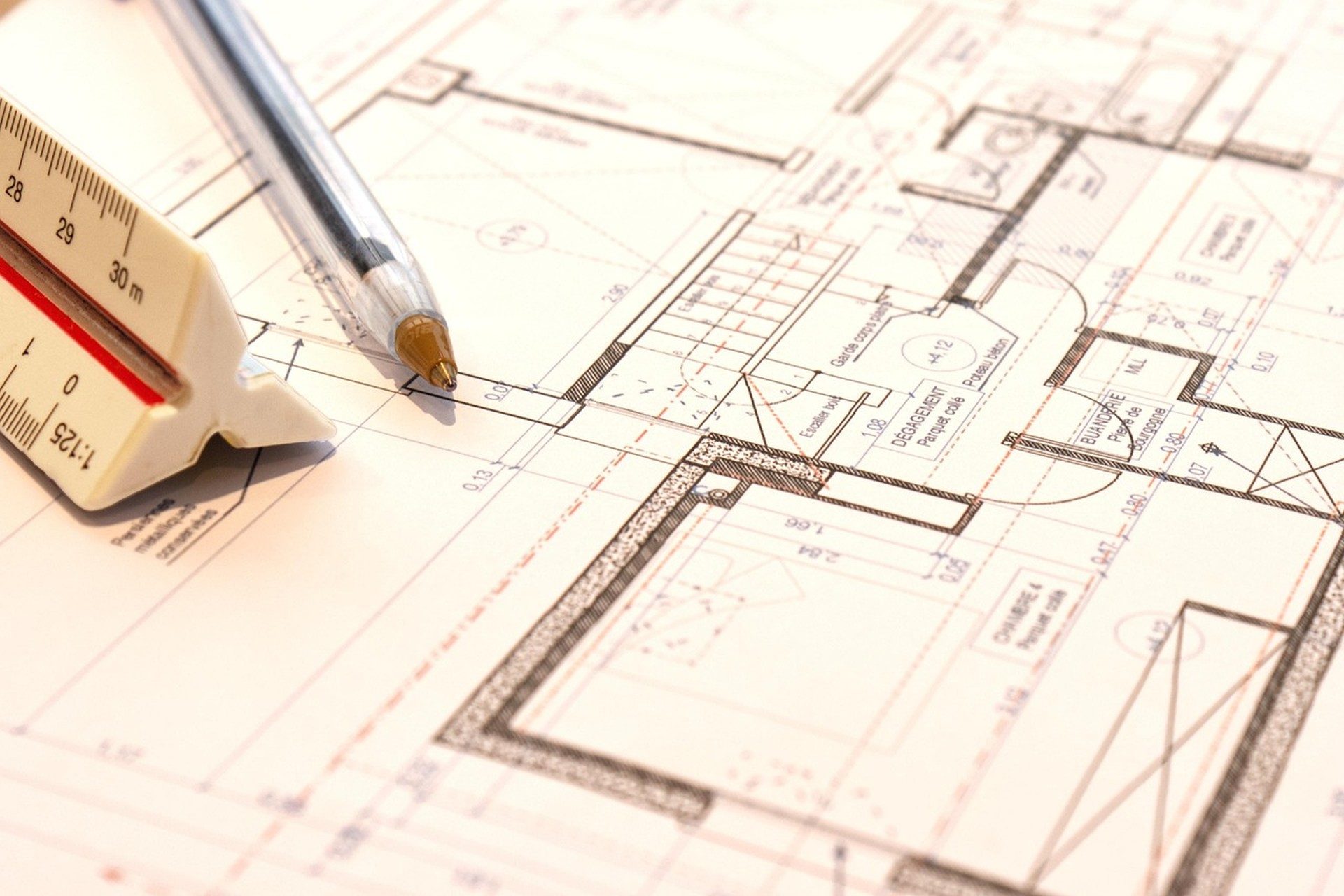
Construction in Israel requires permits that match the finished building. A villa may have an extra room or rooftop unit that never received approval. Compare the original approved drawings with a current survey. Any difference must be legalized or removed before you accept the keys.
Unauthorized additions can trigger demolition orders years later. Ask the municipal planning department for a conformity certificate and keep the response in writing. Buyers who skip this step later face renovation costs that erase any price advantage they thought they secured.
Site Walkthroughs for Hidden Defects
Physical inspection goes beyond a casual visit. Hire an independent engineer familiar with local building codes to check foundations, water pipes, electrical systems, and roof integrity. Coastal properties often show salt damage that standard photos never capture. Inland apartments may hide mold from poor ventilation in shared stairwells.
Document every finding with dated photographs and a written report. Use that report to renegotiate price or require repairs before funds move. If remote attendance is necessary, review the secure remote methods described in What Is Ghost Protocol so you still control the inspection timeline.
Leasehold Interests That Survive Sale
Israeli law protects certain long-term tenants even when ownership changes. A residential lease registered properly can force you to honor existing terms for years. Commercial spaces may carry renewal options that limit redevelopment. Demand copies of every active lease and calculate remaining duration against your intended use.
Vacant possession is not automatic. Include a clear clause requiring the seller to deliver empty premises on a fixed date, with daily penalties for delay. Failure to address occupancy rights leaves you managing someone else’s tenants while still paying the purchase price in full.
Bank Appraisals and Valuation Gaps
Local lenders issue appraisals that often sit below market asking prices. Foreign buyers who ignore the appraisal risk overpaying relative to financing available. Obtain an independent valuation from a licensed Israeli appraiser and compare it with recent sales of similar assets in the same neighborhood.
Currency swings between the shekel and major currencies affect final cost. Monitor guidance from the US Federal Reserve and the Bank for International Settlements when planning large transfers so you understand rate pressure that can appear mid-deal. Align your payment schedule with those realities rather than locking an exchange rate too early.
Notary Protocols Unique to These Transactions
Israeli closings require specific notarial acts that foreign powers of attorney sometimes fail to satisfy. Prepare a power of attorney that follows exact wording accepted by local notaries and have it apostilled in your home country. Incomplete authorization can halt the signing ceremony even when all other papers are ready.
Choose a notary experienced with international clients so translation and certification steps do not add days of delay. Foundation members often review the structured path outlined in Inside the Attache Onboarding Process to ensure documentation arrives complete on the first attempt.
Post-Purchase Registration Timelines
Ownership transfer finishes only after registration at the relevant authority. Delays of several weeks are common when supporting papers contain minor inconsistencies. Track the submission date and follow up weekly until the new title issues in your name. Until registration completes, your rights remain vulnerable to intervening claims.
Keep digital and physical copies of every filed document. Store them with the purchase contract so future refinancing or resale proceeds smoothly. For wider context on market conditions that influence registration speed, consult International Monetary Fund publications covering regional capital flows.
Buyers who want deeper background on related topics can browse the full Israel archive or explore how services link through How Foundation Connects to Foundation Israel. Practical answers to common questions appear in the FAQ (frequently asked questions) section, while the Foundation Israel platform offers tools that keep remote verification organized.
Apply each section of this israel due diligence checklist in order and you reduce the chance of costly surprises. Thorough preparation turns a complex foreign purchase into a controlled transaction that protects capital and future use of the asset.
Readers comparing notes on An Israeli Real Estate Due Diligence Checklist in global markets should keep one dated source list and one named owner for updates so the next review of An Israeli Real Estate Due Diligence Checklist does not restart definitions. Article reference world-118.
If two teams disagree about An Israeli Real Estate Due Diligence Checklist, write the disagreement in one paragraph with the evidence each side trusts before any money language expands around An Israeli Real Estate Due Diligence Checklist. Article reference world-118.
A short refusal note for An Israeli Real Estate Due Diligence Checklist should say what was parked, why it was parked, and who can reopen the file on An Israeli Real Estate Due Diligence Checklist after new facts arrive in global markets. Article reference world-118.
Readers comparing notes on An Israeli Real Estate Due Diligence Checklist in global markets should keep one dated source list and one named owner for updates so the next review of An Israeli Real Estate Due Diligence Checklist does not restart definitions. Article reference world-118.
Related Foundation reading: Foundation Incubator, Understanding Scarcity in the America Market, and Insurance Mechanisms for Frontier Projects: Regulatory Briefing for In.
Timeless Value. Perpetual Legacy.