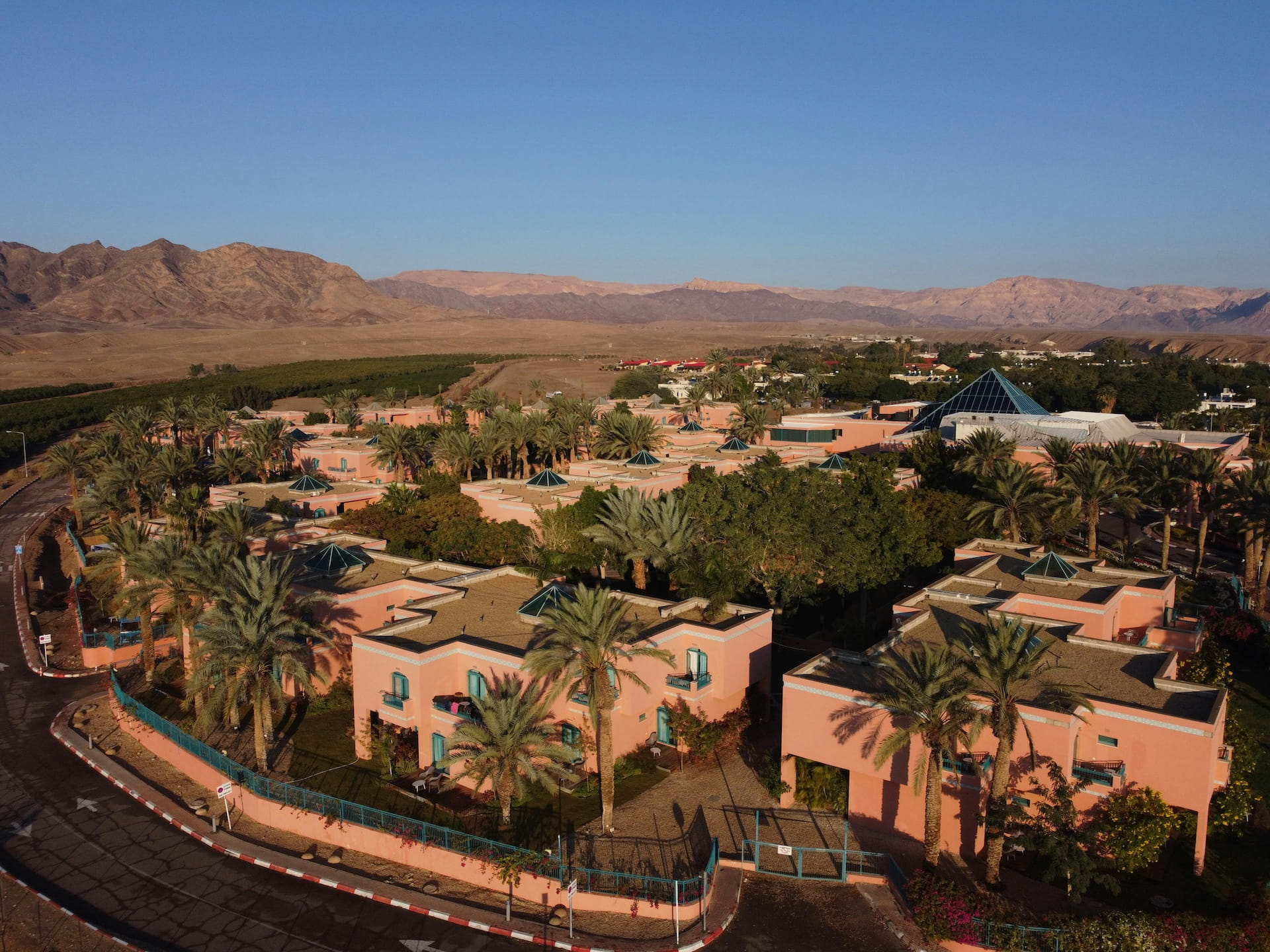
Global Jewish families often turn to Israeli property when they allocate long term capital. The decision mixes personal belonging with hard numbers on stability and growth that few other countries can match for this community.
Heritage Ties That Guide Capital Across Oceans
Many households keep a mental map of places that still feel like home even after generations abroad. Israel occupies that space for large numbers of Jewish families living in North America, Europe, Latin America, Australia and South Africa. Ownership of an apartment or house becomes a concrete expression of that map rather than a purely financial product.
Stories of grandparents who fled persecution or of cousins who made aliyah keep the idea of land in Israel alive at dinner tables. When parents later open brokerage accounts or review estate plans, that emotional layer already sits in place and tilts the scale toward Tel Aviv, Jerusalem or the coastal plain. The result is capital that moves not only for yield but for continuity of identity.
Readers who want deeper background on related ownership structures can explore What Is Ghost Protocol as one modern framework used by some international buyers.
Stability Metrics That Outperform Broader Emerging Markets
Israel ranks among the more resilient economies when measured against peers of similar size. Data compiled by the World Bank consistently place the country high for ease of doing business, intellectual property protection and institutional strength. Those rankings translate into lower risk of sudden expropriation or chaotic title changes that can plague other high growth destinations.
Households watching global rate cycles also note how Israeli monetary policy tends to track major central banks while retaining independent tools. Reports from the US Federal Reserve and parallel institutions show that Israeli inflation targeting has kept price swings within manageable bands for long stretches. Property values therefore absorb external shocks better than pure equity holdings in many cases.
Comparative tables from the OECD further highlight Israel’s strong human capital base and high research intensity. Those factors support sustained demand for housing near tech hubs and research campuses, which in turn underpins rental markets that diaspora owners can tap.
Currency Diversification Inside a Single Asset Class
Families holding large positions in dollars, euros or pounds often seek a shekel exposure that is not purely financial. Real estate delivers that exposure through rental income denominated in local currency and through potential appreciation tied to domestic demand. The shekel itself has shown periods of relative strength against major peers, adding another layer of portfolio ballast.
Cross border banking rules monitored by the Bank for International Settlements have grown clearer in recent years, making it easier for overseas owners to move funds for purchases and later repatriate rental proceeds. That clarity reduces one classic friction point that once discouraged distant investors.
Property therefore functions as both a real asset and a currency hedge inside a single decision. Families who already own equities and bonds in their home markets gain an uncorrelated stream of cash flow without needing complex derivative contracts.
Passing Physical Ground to the Next Generation
Many parents and grandparents want something their heirs can visit, photograph and eventually manage rather than a brokerage statement alone. An apartment in a well located building meets that wish. Title records remain transparent, and transfer procedures through Israeli courts and land registries are well established.
Discussions around Israeli Real Estate as a Legacy Asset frequently appear when multi generational families draft wills or set up trusts. The physical nature of the asset makes conversations about values and history more tangible than conversations about index funds.
Younger relatives who spend summers or gap years in Israel often develop personal attachment to specific neighborhoods. That attachment raises the chance that the property will stay inside the family rather than be sold at the first opportunity, preserving both capital and memory.
Support Structures That Shrink the Distance Problem
Owning from abroad once meant relying on distant cousins or expensive local managers with uneven standards. Today a network of professional property managers, bilingual attorneys and tax advisers has matured to serve the diaspora market. Owners can receive monthly digital reports, arrange remote notary services and even inspect units through live video walkthroughs.
Resources collected under Israeli Real Estate for Diaspora Families outline many of these practical bridges. Families also find peer groups and community organizations that share vetted contractor lists and warn against common pitfalls.
Those support layers turn what could feel like a remote gamble into a manageable holding. Regular communication tools and clear fee structures keep agency costs predictable and reduce the classic risk of absentee ownership.
Demand Drivers That Keep Occupancy High
Israel’s population continues to grow through both natural increase and immigration. New households form at a steady pace, and many young professionals prefer urban locations with good transit and tech employment. That combination supports rental demand even when construction activity rises.
Tourism and temporary academic stays add a secondary layer of short term occupancy that can boost yields for owners willing to work with specialized platforms. Neighborhoods near universities and hospitals rarely stay empty for long.
Further reading across the Israel archive shows how successive waves of tech expansion and infrastructure projects have repeatedly lifted surrounding residential values. Families who buy near those corridors capture upside without needing to time speculative cycles perfectly.
Clear Entry Routes for First Time Overseas Buyers
The process of purchasing as a non resident is now mapped in plain language by banks, law firms and government portals. Buyers open local bank accounts, complete identification checks and wire funds through regulated channels. Closing costs and purchase taxes are published in advance so budgets can be built with few surprises.
Anyone beginning research can start with the overview at Foundation Israel and then move to the detailed Q and A on the FAQ (frequently asked questions) page. Both resources stay free of jargon and focus on the sequence most families actually follow.
Once the first purchase is complete, many households return for a second unit or a larger family home. The learning curve flattens quickly, and the same professional team can handle later transactions with far less friction. Online tools available through the Foundation Israel platform further streamline document sharing and status tracking for owners who prefer digital workflows.
These combined motives explain why Israeli real estate keeps appearing in the long term plans of Jewish families around the world. The asset answers both the need for durable value and the quieter need to keep a stake in a place that still feels central to family story.
Readers comparing notes on Why Global Jewish Families Invest in Israeli Real Estate in global markets should keep one dated source list and one named owner for updates so the next review of Why Global Jewish Families Invest in Israeli Real Estate does not restart definitions. Article reference world-091.
If two teams disagree about Why Global Jewish Families Invest in Israeli Real Estate, write the disagreement in one paragraph with the evidence each side trusts before any money language expands around Why Global Jewish Families Invest in Israeli Real Estate. Article reference world-091.
A short refusal note for Why Global Jewish Families Invest in Israeli Real Estate should say what was parked, why it was parked, and who can reopen the file on Why Global Jewish Families Invest in Israeli Real Estate after new facts arrive in global markets. Article reference world-091.
Related Foundation reading: Foundation Ukraine and University Endowment Co Investment Trends: Regulatory Briefing for Ins.
Timeless Value. Perpetual Legacy.