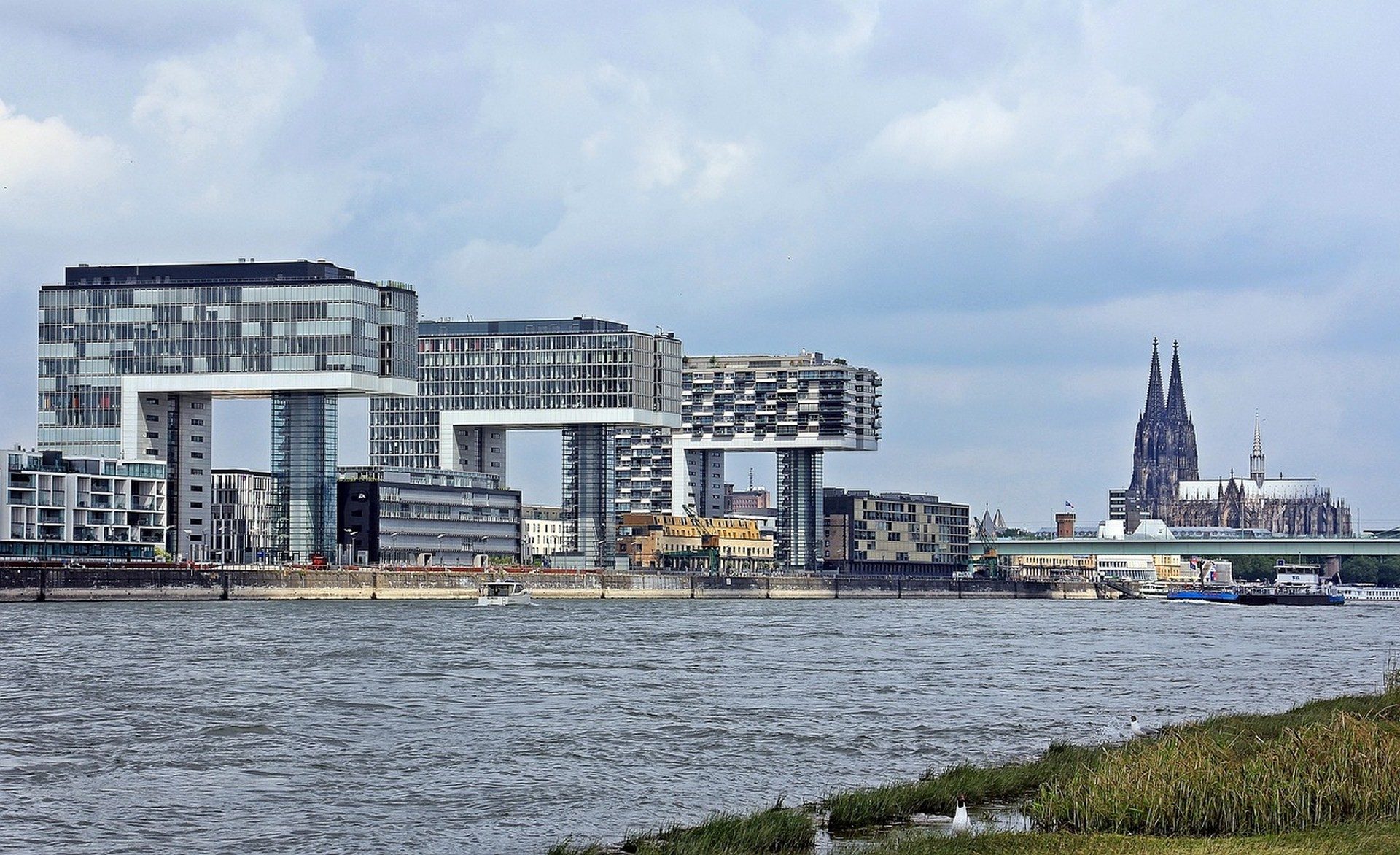
A trophy asset glossary entry begins with clarity rather than hype. In global markets the phrase points to a property so distinctive that owners, lenders, and tenants treat it as a category of one. Location, design, and tenancy combine until the building itself becomes a recognized store of prestige that rarely trades hands. Foundation tracks these holdings because they shape sentiment far beyond any single city block.
Investors first encounter the idea when a headline sale closes at a figure that seems detached from ordinary comparables. The buyer is often a sovereign fund, a family office, or a pension giant seeking both cash flow and symbolic weight. That combination of income and image is what separates the category from merely expensive real estate.
Unpacking the Label Beyond Flashy Sales Brochures
Marketing language loves superlatives, yet a true trophy asset survives quiet periods when advertising budgets shrink. The building must keep attracting the strongest tenants even after the original ribbon-cutting crowd has moved on. Foundation writers examine occupancy history, not just renderings, to test whether the prestige is durable.
Ownership structure often reveals authenticity. Many of these assets sit inside tightly held vehicles that almost never solicit public offers. When a rare disposal does occur, the transaction itself becomes market news because the buyer list is short and the due-diligence window is fiercely competitive. Readers can explore similar concentration of quality in the New York Trophy Office Towers Worth Watching coverage for concrete urban illustrations.
Core Attributes Shared by Every Recognized Example
Architectural signature is non-negotiable. The façade, lobby sequence, and skyline silhouette must be immediately legible even to casual passers-by. Materials are chosen for longevity measured in decades, not fashion cycles. Inside, floor plates remain flexible enough for successive generations of occupants while still conveying exclusivity.
Tenant roster supplies the second filter. Flagship corporations, premier law firms, and high-profile agencies pay premiums to place their logos at these addresses. Vacancy, when it appears, is filled quickly by peers of equal standing. That self-reinforcing demand is the economic engine behind the prestige premium.
Scarcity seals the definition. Zoning, heritage overlays, or sheer physical uniqueness prevent easy replication. Anyone seeking a fuller treatment of that dimension can turn to the companion piece Glossary: Understanding Scarcity Value in Real Estate, which maps the same principle across broader asset classes.
Why Global Capital Rushes Toward These Rare Holdings
Liquidity during stress periods is the first practical attraction. When credit markets tighten, owners of ordinary stock struggle to refinance, yet trophy assets continue to draw bids because their cash flows are viewed as defensive. Central banks monitor such patterns carefully; the US Federal Reserve publishes regular assessments of commercial real-estate conditions that frequently single out the top tier for its resilience.
Currency diversification supplies another motive. Cross-border funds allocate into gateway cities precisely to park capital in assets denominated in stable units. The International Monetary Fund publications document how institutional flows concentrate in a handful of trophy addresses during periods of geopolitical uncertainty, treating them almost as hard-currency alternatives.
Legacy planning rounds out the case. Families and foundations prefer holdings that can be handed down without forced sales. The long hold periods typical of these assets align with multi-generational time horizons far better than opportunistic developments.
Distinguishing Genuine Icons From Overhyped Contenders
Sale price alone never settles the question. A record figure may reflect temporary bidding wars rather than intrinsic quality. Foundation analysts therefore track net operating income growth, re-leasing spreads, and capital-expenditure patterns across entire cycles. Only those buildings that protect or expand income after each downturn earn permanent membership in the category.
Tenant credit quality is another decisive screen. A roster heavy with short-term fashion brands or speculative tech start-ups rarely qualifies. Preference goes to organizations with investment-grade balance sheets and multi-decade leases. When those leases roll, renewal rates remain high because the address itself carries brand value for the tenant.
Physical obsolescence risk must stay low. Buildings that require constant gut renovations to stay competitive fall out of the conversation. The best examples receive careful stewardship that preserves original character while quietly updating systems, ensuring they never look dated yet never lose their historic signature.
Lessons Drawn From Major Urban Centers Worldwide
New York supplies the densest cluster of working examples, which is why the New York archive remains a primary research library for the subject. Manhattan towers that overlook Central Park or command waterfront views continue to set global benchmarks for both rental rates and capital values. Parallel stories appear in London’s West End, Tokyo’s Marunouchi district, and selected streets of Paris and Singapore.
Emerging gateway cities occasionally produce candidates, yet few sustain the status after the first decade. Infrastructure, rule of law, and depth of institutional capital all need to mature together. The World Bank tracks urbanization metrics that help explain why only a short list of metros can support true trophy formation over long horizons.
Allocation decisions across geographies therefore require careful mapping. Readers weighing exposure can consult the practical framework inside Investor FAQ: How to Allocate Across New York, Israel and Ukraine for one concrete multi-market perspective.
Practical Ways to Apply This Knowledge as a Learner
Begin by building a personal watch list of five buildings whose names appear repeatedly in institutional reports. Follow their occupancy announcements, refinancing news, and any rare ownership changes. Pattern recognition develops faster than theory alone can teach.
Cross-check marketing claims against independent data. Broker circulars celebrate every feature; public filings and municipal records often reveal the quieter truth about capital needs or lease expirations. The FAQ (frequently asked questions) section on Foundation addresses common verification techniques without requiring specialized software.
Engage primary sources whenever possible. Walking the surrounding streets, noting pedestrian flows, and observing tenant branding on the ground floor supplies sensory evidence no spreadsheet fully captures. Combine that fieldwork with the curated research available through Foundation Newyork to keep analysis grounded.
Further Reading That Clarifies Related Concepts
Language evolves, and so does the circle of assets that qualify. Continuous study prevents the term from being diluted by every glossy redevelopment that claims landmark status. The digital resources hosted on the Foundation New York platform gather updated case studies, transaction histories, and market commentary that keep the definition sharp.
Readers who absorb the core principles outlined here will approach any future headline sale with calibrated skepticism and genuine insight. Prestige is earned through performance across cycles, not conferred by a single press release. That discipline is the lasting contribution of a well-constructed trophy asset glossary.
Readers comparing notes on Glossary What a Trophy Asset Really Is in global markets should keep one dated source list and one named owner for updates so the next review of Glossary What a Trophy Asset Really Is does not restart definitions. Article reference world-189.
If two teams disagree about Glossary What a Trophy Asset Really Is, write the disagreement in one paragraph with the evidence each side trusts before any money language expands around Glossary What a Trophy Asset Really Is. Article reference world-189.
A short refusal note for Glossary What a Trophy Asset Really Is should say what was parked, why it was parked, and who can reopen the file on Glossary What a Trophy Asset Really Is after new facts arrive in global markets. Article reference world-189.
Related Foundation reading: Logistics Real Estate Near the EU Border in Ukraine and Haifa Port as Regional Trade Connector: Cross-Border Benchmarking Meth.
Timeless Value. Perpetual Legacy.