Headline transaction counts rarely reveal whether capital moved toward proof quality, off market depth, or crowded public processes allocators should avoid. Family offices governing sleeves across New York, Israel, and Ukraine need cross border capital flows intelligence that names source types, corridor direction, pacing discipline, and refusal patterns rather than broker volume marketing alone. This quarter report summarizes how capital moved across Foundation corridors: who deployed, where flows concentrated, and what committees should infer before next tranche votes.
Institutional context for cross border capital flows begins in Inflation Regime Effects on Family Portfolios: A Beginner's Institutional Guide and continues in Jerusalem Heritage Economy Capital Flows: A Beginner's Institutional Guide. What follows concentrates on cross border capital flows, not introductory platform mechanics.
Aggregate flow direction this quarter
Net cross border interest favored governed off market channels and reconstruction mandates with documented operator benches over public auction exposure in select trophy segments. Family office capital showed measured rebalancing between corridors as rate paths and currency moves altered entry math differently in each jurisdiction. Institutional capital maintained patience in files requiring additional proof depth, with refusal logs showing disciplined passes that volume metrics alone would misrepresent as inactivity.
Committees tracking cross border movement should read the Foundation Quarterly Market Intelligence Brief alongside this flow report so corridor weighting memos cite macro context, scarcity signals, and allocator behavior from the same reporting period rather than mixing stale intelligence with fresh flow attribution.
Cross border banking statistics from the Bank for International Settlements help allocators size corridor exposure against global liquidity conditions.
New York flow patterns
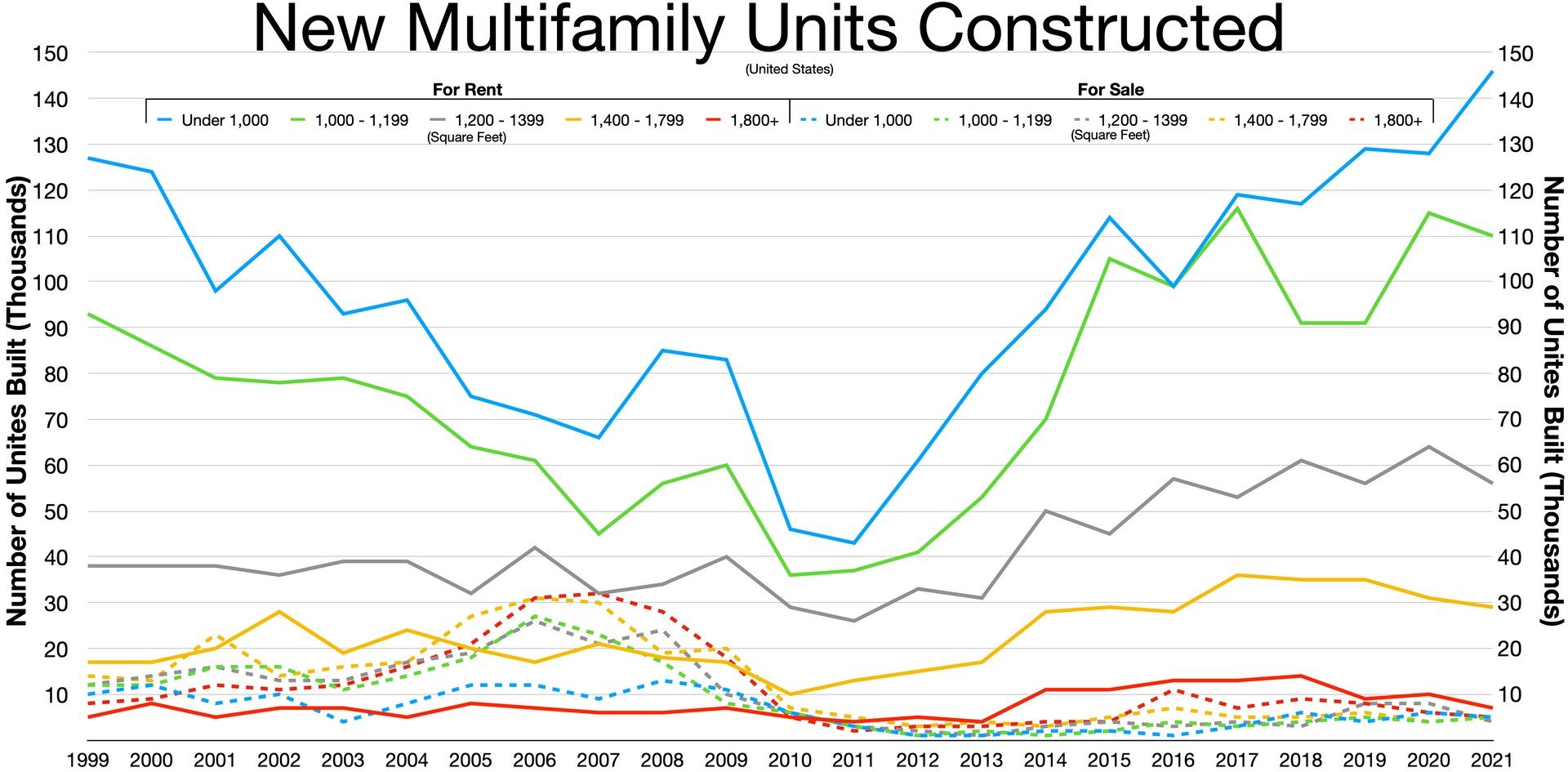
New York flows concentrated in multifamily and select trophy residential files where lender panels offered refinance visibility and covenant headroom supported stabilization timing. Foreign allocator interest remained selective, with diaspora and sovereign adjacent capital favoring submarkets where rent regulation memory and operator continuity reduced execution risk. Public market alternatives pulled some liquidity toward securities sleeves, yet governed off market introductions maintained depth for principals who valued discretion over auction signaling.
Rate effect essays help interpret New York flows against financing windows; see How Interest Rates Are Reshaping Three Markets at Once for companion analysis this period.
Commercial real estate research from the Federal Reserve commercial real estate notes supports New York flow memos when committees explain measured pacing to co investors.
Israel flow patterns
Israeli flows reflected persistent diaspora demand in scarcity submarkets, with off market share remaining elevated relative to public registry transparency. Foreign principal interest concentrated in income and legacy residential bands where Ghost Protocol and Attache services reduced signaling risk during diligence. Capital from technology wealth cohorts continued intersecting real estate sleeves, requiring conflicts review when operator and founder relationships overlapped investment authority.
Scarcity context for Israeli flows appears in The 2026 Global Scarcity Index Report, which committees should read before interpreting diaspora demand as unlimited absorption capacity.
Central bank publications from the Bank of Israel help committees benchmark flow assumptions against mortgage and macro conditions.
Diaspora and safe haven capital
Diaspora flows this quarter showed geographic diversification within Israeli exposure rather than indiscriminate expansion. Safe haven motivations remained present yet governed by refusal discipline when pricing reflected lagging supply data or operator bench gaps. Committees should document diaspora source attribution in related party logs before bilateral files expand.
Ukraine flow patterns
Ukrainian reconstruction flows advanced on measured pacing as Western institutional capital, diaspora capital, and insurance availability evolved corridor by corridor. Contractor capacity and currency volatility shaped deployment timing more than teaser volume suggested. Flows favored logistics adjacency and repositioning files with documented rehab phase gates rather than speculative land aggregation without execution benches.
Prior intelligence essays appear in Foundation Quarterly Market Intelligence Brief archives when committees compare whether reconstruction flows shifted since last reporting period.
Reconstruction financing research from the World Bank fragility and conflict research helps allocators explain why Ukrainian flows require patience metrics vintage programs rarely publish.
Allocator behavior and refusal correlation
Flow quality this quarter correlated with refusal discipline: committees that passed crowded public processes preserved capacity for off market files with superior proof depth. Family office survey signals suggest continued preference for perpetual pacing over vintage deployment targets, a trend developed further in news coverage on this site. Reporting that lists transaction counts without refusal narrative misleads co investors assessing mandate health.
Field notes and allocator questions publish on the News hub and FAQ pages before committees authorize corridor rebalancing votes.
Apply flow intelligence before corridor rebalancing
Cross border capital flow reporting succeeds when committees integrate aggregate direction, corridor specific patterns, diaspora attribution, reconstruction pacing, and refusal correlation into weighting memos before rebalancing. Foundation flow intelligence is governance infrastructure, not broker volume marketing.
Maintain dated flow summaries, source attribution tables, and pass registers so each rebalancing vote shows flow awareness was evidence rather than headline reaction alone.
Prior quarter flow essays remain indexed in the News archive. Request corridor specific flow memos through onboarding when this summary indicates deeper hub diligence exists.
Flow sustainability indicators
Flow sustainability indicators include repeat introducer quality after documented passes, operator bench depth by submarket, and time from proof event to tranche unlock rather than teaser arrival rate alone.
Quarterly flow comparisons should note when measured pacing reflected refusal discipline versus when securities liquidity competition temporarily reduced real estate tranche releases.
Source attribution and related party concentration
Flow reports should name whether capital originated from family office sleeves, sovereign adjacent allocators, diaspora principals, or institutional co investment structures. Related party concentration across introducer networks triggers Chinese wall review before bilateral files expand.
Repurchase and recycle flows within Israeli sleeves continued as rate paths shifted mortgage product mix, with committees documenting refinance timing before authorizing leveraged expansion on income files priced for prior cycle assumptions.
Western reconstruction capital favored insurable parcels with documented contractor benches over speculative land aggregation where execution feasibility memos lagged teaser narratives.
Quarterly attribution workshops help committees separate diaspora from institutional sources before Israeli and reconstruction sleeve weights change.
Capital flow attribution workshops should separate diaspora safe haven motives from institutional co investment mandates before corridor rebalancing votes interpret Israeli sleeve movement.
Flow memos should distinguish recycle movement from net new allocator commitments when quarter comparisons interpret Israeli sleeve activity against reconstruction pacing.
Net cross border flow summaries should attach BIS liquidity context and corridor specific refusal counts before investment committees rebalance weights between New York multifamily, Israeli scarcity bands, and Ukrainian reconstruction sleeves.
Recycling versus new commitment flows
Israeli sleeve recycling accelerated modestly as mortgage product repricing encouraged stabilized owners to refinance before index linkage assumptions shifted again. Committees distinguished recycle movement from new allocator commitments by requiring dated lender correspondence in flow memos before rebalancing weights. Recycle flows that improved covenant headroom without altering operator benches received different committee treatment than new bilateral openings requiring full artifact gates.
New York multifamily flows showed institutional family office sleeves rotating within submarkets rather than exiting corridors entirely when rate paths compressed refinance windows. Rotation memos should name source submarket, destination submarket, and proof event that justified movement rather than treating any transaction as directional capital commitment.
Ukrainian reconstruction flows from Western institutional sources concentrated in logistics adjacency parcels where EU policy signals and contractor benches aligned, while diaspora capital favored residential repositioning files with shorter execution arcs. Flow attribution tables should separate these source types before committees infer aggregate reconstruction appetite from blended headline counts.
Quarterly flow workshops should compare refusal adjusted flow rates across corridors so co investors understand when measured pacing reflected discipline rather than liquidity competition from securities sleeves documented in allocation policy versions.
Related Foundation reading: Foundation Ukraine and Reputation Risk in Philanthropic Deployments: Compliance Implications .
Timeless Value. Perpetual Legacy.