Apartment investors and renters share one practical question right now: where is multifamily rent growth still firm, and where has it cooled. This update gathers the clearest global patterns without jargon so any adult can follow the logic, then act with eyes open.
Rent Gains Still Track Jobs More Than Headlines
Multifamily rent growth is not a single number that moves the same way in every city. It rises when households form faster than new units open, and it stalls when vacancies climb. Across global markets the strongest recent periods of multifamily rent growth have clustered near employment hubs that kept adding jobs even while remote work rearranged office floors. Secondary cities with solid logistics or healthcare payrolls often outpaced flashier capitals once migration settled. Readers who want a broader frame can scan the Foundation Quarterly Market Intelligence Brief for how residential trends sit beside other property types.
Policy interest rates still matter because they change the cost of buying a home. When the US Federal Reserve and peer central banks held rates higher for longer, many would-be buyers stayed in rentals longer, supporting multifamily rent growth in several advanced economies. That support is uneven: markets with heavy new supply of mid-rise apartments saw softer renewals even while high-end towers held price. The lesson is simple. Watch local job formation and pipeline completions before trusting any national average.
Where New Supply Is Catching Up to Demand
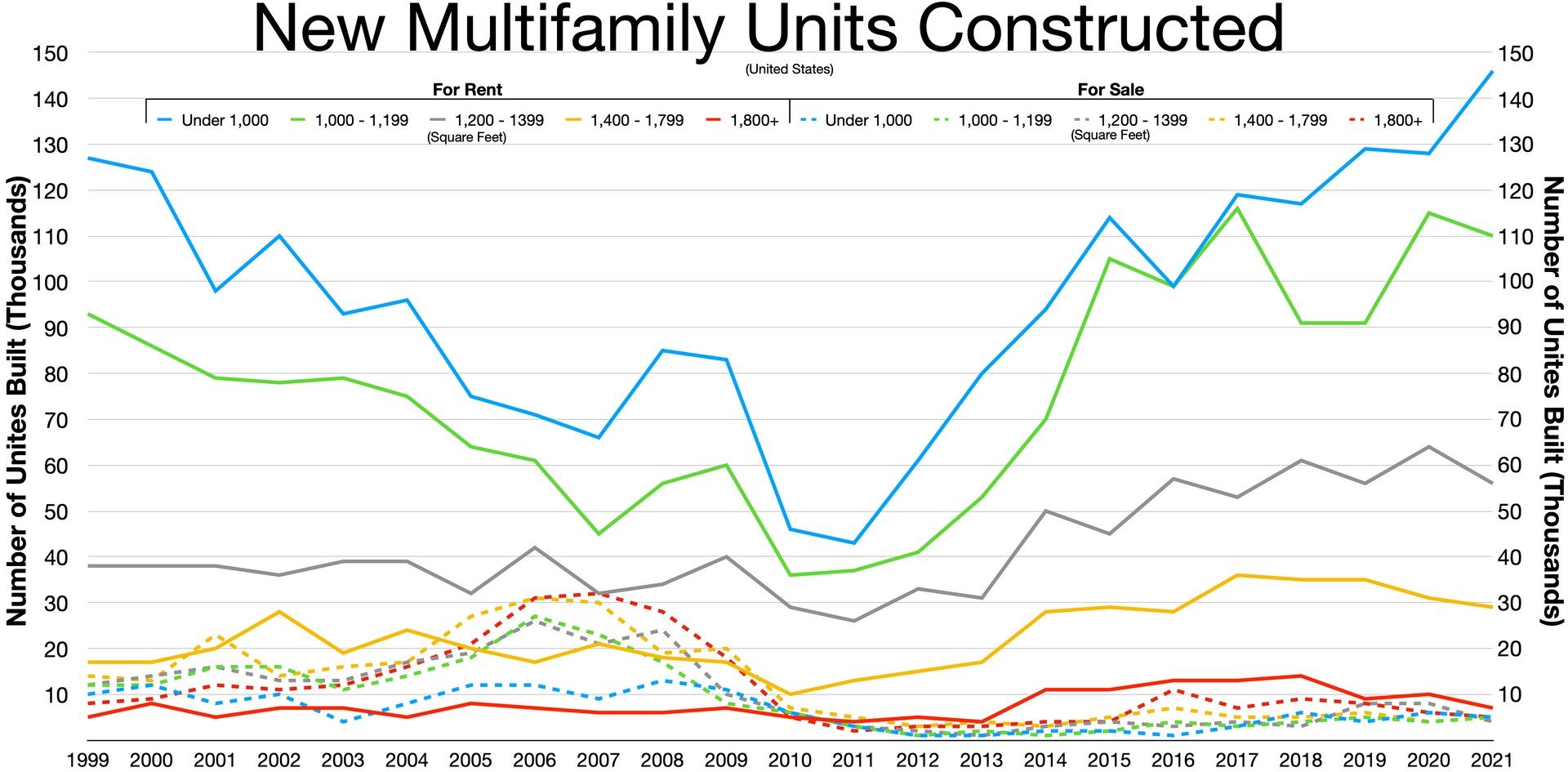
Construction lags create surprises. Projects that broke ground two or three years ago are delivering now in parts of North America, Europe, and East Asia. Those deliveries expand choice for renters and trim the pace of multifamily rent growth. Owners who planned on double-digit annual lifts are instead negotiating free months or modest upgrades to keep buildings full. In contrast, cities that underbuilt during the last decade still show firmer asking rents because competition among landlords remains thin.
Global data series published by the World Bank remind us that urbanization continues in many middle-income countries, yet formal multifamily stock often trails the inflow of workers. That gap can sustain multifamily rent growth for years if financing and permitting stay predictable. Investors comparing markets therefore ask not only “how fast are rents rising today” but also “how many units will open next year relative to household formation.”
Migration, Remote Work, and Quiet Price Power
People move for work, climate, and cost. After the pandemic surge toward sunbelt and secondary metros, some reverse flows have appeared as offices reopened and younger workers sought larger labor markets. Those shifts rearrange which submarkets enjoy pricing power. A neighborhood that filled quickly in 2021 may now face more turnover and softer multifamily rent growth while a previously quiet district near transit rebounds.
Cross-border migration adds another layer. Regions that attract skilled labor or students tend to keep occupancy high even when local birth rates fall. Foundation analysts often pair residential metrics with travel and lodging data; the same mobility that fills apartments can revive hotels, which is why the piece on Hospitality Recovery Trends Across Our Markets remains useful context for anyone tracking urban demand.
Interest Costs, Cap Rates, and Owner Behavior
Higher borrowing costs change how owners set rents. When debt service rises, some operators push harder on renewals to protect cash flow, while others accept slower multifamily rent growth in exchange for occupancy that keeps lenders calm. Cap rates (the ratio of net income to property value) have widened in several markets, which means sale prices adjust even if rents hold steady. That combination can favor long-term holders who bought earlier over short-term traders.
International institutions regularly model these trade-offs. Recent International Monetary Fund publications discuss how tighter financial conditions slow residential investment yet can also curb excesses that once inflated bubbles. For a non-expert the takeaway is practical: multifamily rent growth does not live alone. It interacts with credit availability and the willingness of buyers to pay for future income streams.
Regional Contrasts From Asia Pacific to the Americas
Asia Pacific markets vary widely. Dense coastal cities with land constraints often show steadier multifamily rent growth than sprawling inland centers that can add supply quickly. In Europe, strong tenant protections and slower permitting keep vacancy low in many capitals, yet rent freezes or index caps in some jurisdictions limit upside. Latin American metros frequently post high nominal growth that must be read against inflation and currency moves. North American patterns remain split between high-supply Sun Belt metros and tighter coastal or Midwest hubs.
Diversification across these regions reduces the chance that one local slowdown dominates results. That logic is spelled out in The Case for Cross-Market Diversification Right Now, which applies as cleanly to apartments as to other income assets. The OECD also tracks housing indicators that help place national stories in a comparable frame so readers avoid mistaking one country’s cycle for a global rule.
Signals Worth Watching Beyond the Headline Percentage
Average asking-rent charts can mislead. Concession rates, renewal premiums, and length of stay often reveal the true state of multifamily rent growth sooner than published averages. When free months become common, effective rents are already falling even if list prices look flat. When renewal rates climb and average tenancy lengthens, pricing power is returning. Occupancy above 95 percent in a market with little new supply usually supports further gains; occupancy near 90 percent with large deliveries usually does not.
Local income growth relative to rent levels also matters. If rents absorb a rising share of household paychecks, political pressure for rent control rises and future multifamily rent growth can be capped by statute rather than by the market. Foundation keeps these nuances in regular coverage; readers can browse the full News archive for earlier cycle notes that still apply today.
Practical Questions for Owners and Prospective Tenants
Owners should stress-test cash flows against flat or slightly negative multifamily rent growth for two consecutive years. That exercise reveals whether debt structures and expense ratios leave enough room for maintenance and tenant improvements. Prospective tenants should compare total housing cost (rent plus utilities and transport) across a few neighborhoods rather than chase the single cheapest listing, because a longer commute can erase any rent savings.
Both groups benefit from transparent sources. Foundation maintains a central News Hub that gathers market notes, and a plain-language FAQ (frequently asked questions) that answers common ownership and lease topics without sales language. Checking those pages regularly helps separate durable trends from short-term noise.
Multifamily rent growth remains positive in many global markets yet is no longer uniform or automatic. Supply deliveries, job patterns, migration, and credit conditions now decide the pace city by city. Readers who track those four drivers, diversify exposure, and ignore single-headline averages will make clearer decisions than those who wait for a universal rebound that may never arrive at the same moment everywhere.
Readers comparing notes on Multifamily Rent Growth Trends Update in global markets should keep one dated source list and one named owner for updates so the next review of Multifamily Rent Growth Trends Update does not restart definitions. Article reference world-064.
Related Foundation reading: Foundation New York and New York Philanthropy and City Institutions: Explained in Plain Langua.
Timeless Value. Perpetual Legacy.