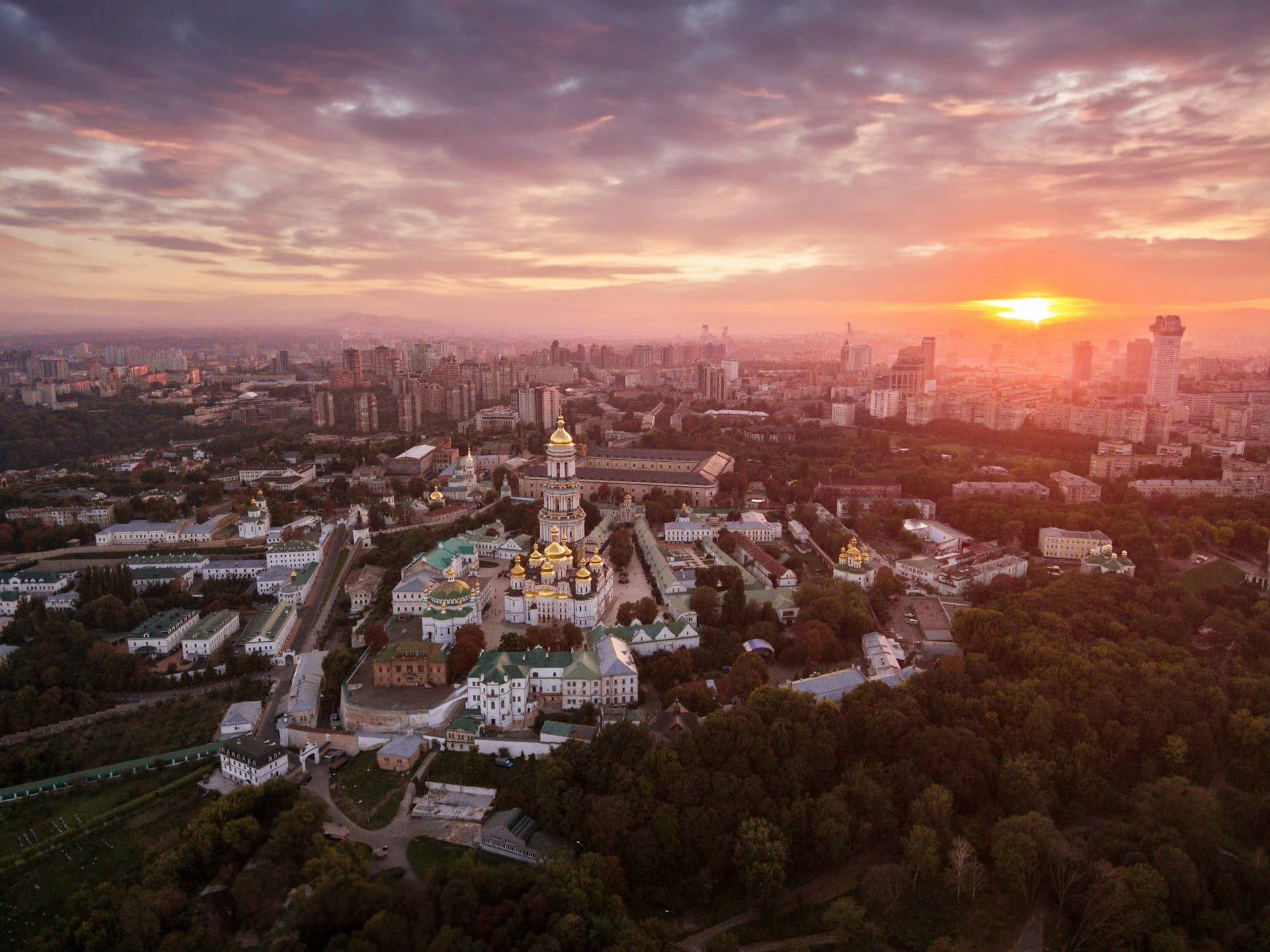
The Dnipro River runs north to south through Ukraine and has long shaped where factories, power plants, and shipping hubs sit. When people talk about the world ua dnipro corridor potential fundamentals they mean the chance for heavy industry, logistics, and related services to grow again along this route once conditions allow steady investment and trade. This article walks through those ideas in everyday language so any adult can follow without special training.
The River Belt That Anchors Ukrainian Manufacturing
Factories did not appear randomly along the Dnipro. Steel mills, machine shops, chemical works, and food processors chose spots with water access, rail links, and nearby raw materials. Cities such as Dnipro, Zaporizhzhia, and Kamianske form a chain of industrial towns. The corridor stretches from the northern reaches near Kyiv’s outskirts down toward the Black Sea outlet. Because the river itself is navigable for part of the year and connects to dense rail networks, goods can move both inside Ukraine and toward export points. Understanding this geography is the first step in seeing why the area keeps drawing attention in reconstruction talks.
Reconstruction plans often single out river-linked zones because they already hold roads, power lines, and skilled workers. That existing base lowers the cost of restarting production compared with building brand-new sites from empty fields. Readers exploring broader recovery ideas can find more context in The Ukraine Reconstruction Investment Thesis, which places industrial corridors inside the larger picture of capital needs and sequencing.
How Location Advantages Built Dense Factory Clusters
Iron ore, coal, and agricultural produce sit close enough that plants can process them without long hauls. The river supplies cooling water for power stations and some manufacturing processes. Rail lines that once served the Soviet industrial plan still radiate from the main cities, giving multiple routes toward western borders or southern ports. Labor pools grew up around those plants, creating generations of welders, electricians, and process operators. When global buyers look for places that can scale metal fabrication or grain handling quickly, these pre-existing clusters matter more than greenfield dreams.
Food processors also thrived here because fertile land surrounds the industrial belt. Grain elevators and oilseed crushers sit near both farms and transport nodes. That dual role, serving heavy industry and agriculture, gives the corridor a resilience that pure single-sector zones lack. Anyone studying how farm products leave Ukraine will meet terms that appear again in this setting; a clear guide sits at Agricultural Export Capital in Ukraine: Key Terms and Concepts.
Transport Arteries That Carry Output to Buyers
Barges, trains, and trucks all play roles. River navigation works best in the ice-free months and can move bulk cargo such as ore, grain, or steel coils at lower cost per ton than pure road haulage. Rail remains the backbone for year-round movement, linking plants to European-gauge conversion points or to Black Sea terminals. Highways parallel the river in many stretches, letting lighter or higher-value cargo reach customers faster. Damage to bridges and tracks has slowed some routes, yet the underlying network density still exceeds that of many competing industrial regions elsewhere in the world.
International organizations track how transport bottlenecks affect growth. Detailed assessments appear regularly in World Bank reports that map logistics performance across emerging markets. Restoring river locks, rail bridges, and road surfaces therefore ranks high on any list of practical steps that unlock the corridor’s latent capacity.
Power and Fuel That Keep Heavy Plants Running
Large-scale steelmaking and chemical production need reliable electricity and process heat. Hydroelectric dams along the Dnipro historically supplied part of that load, while thermal plants burned coal or gas. Diversifying energy sources, adding more solar or wind where suitable, or importing cleaner gas, could modernize the mix. Energy security also means protecting transmission lines that feed the factories. Without steady power, even the best-located mill sits idle.
Policy frameworks that encourage private capital into energy upgrades often draw on comparative studies. The OECD publishes guidelines on investment climates and infrastructure governance that many reconstruction planners consult when designing incentives for the industrial belt.
Workforce Strengths That Support Rapid Restart
Technical colleges and vocational schools in the corridor cities continue to train people for industrial roles. Many workers already hold experience in metallurgy, heavy equipment maintenance, or logistics. Language skills and openness to new equipment standards have grown as companies seek export contracts. Retaining and expanding this talent pool requires safe housing, competitive wages, and clear career paths so that skilled people do not leave for other regions or countries.
Family wealth and long-term planning tools sometimes enter the conversation when local owners prepare for multi-generation ownership of plants. Structures that protect capital across borders receive careful attention; newcomers can begin with Dynasty Trust Structures Across Jurisdictions: What New Readers Should Know before linking those ideas to industrial assets.
Demand Signals Coming From Global Markets
Steel, machinery components, fertilizers, and processed foods all face steady worldwide demand. European buyers look for shorter supply chains after recent disruptions. Asian markets continue to absorb bulk commodities. If plants along the Dnipro meet quality and certification standards, they can capture portions of that demand. The fundamentals of cost, location, and existing capacity give the corridor a credible claim on those orders once risk levels fall.
Macroeconomic data help investors judge timing. Currency stability, inflation trends, and public-debt sustainability appear in regular releases from the International Monetary Fund publications. Those numbers sit alongside private assessments of factory readiness when capital decides where to flow first.
Risks That Still Shape Timelines
Security remains the largest near-term variable. Physical damage, insurance costs, and logistics interruptions all raise the effective price of doing business. Currency and legal uncertainties add further layers. Clearer property rights, transparent privatization of state-held assets, and predictable tax rules would reduce those frictions. Progress on each front shortens the path from potential to actual production growth.
Cross-border payment systems and banking links also matter for exporters. Standards and oversight practices discussed by the Bank for International Settlements influence how smoothly funds move between Ukrainian firms and foreign customers. Improvements here support the entire corridor, not just one sector.
Capital Pathways That Could Modernize Plants
Public reconstruction funds, development-bank loans, and private equity all have roles. Blended finance, mixing concessional money with commercial capital, can de-risk early projects such as power upgrades or rail repairs. Once those platforms stabilize, purely private money tends to follow into machinery, training, and export marketing. Local owners who prepare clean financial statements and governance structures stand ready when that capital arrives.
Readers seeking more Ukraine-focused material can browse the full Ukraine archive for related analysis. Practical questions about how Foundation approaches these themes appear in the FAQ (frequently asked questions). Direct engagement with ongoing work happens through the Foundation Ukraine page and the live Foundation Ukraine platform, where updates on industrial and agricultural initiatives are posted regularly.
The Dnipro industrial corridor is not an abstract map line. It is a set of cities, plants, river banks, and rail yards that already hold decades of productive capacity. When security, energy, transport, and capital conditions align, that capacity can expand output for domestic needs and for world markets. The fundamentals rest on geography, skills, and existing assets rather than on untested theory. Watching those fundamentals evolve offers a clear window into one of the most concrete recovery opportunities available today.
Related Foundation reading: World Bank EBRD DFC Capital Stack: Benchmarks for Analysts and Reporte.
Timeless Value. Perpetual Legacy.