Ghost Protocol is Foundation’s quiet method for moving capital into real assets without loud announcements or crowded bid rooms. Across global markets the same label covers different clearance paths, bank habits, and legal cushions, so an identical structure can feel seamless in one city and slow in another. This article maps those differences for ordinary adults who want clear language rather than jargon.
Ghost Protocol Mechanics That Survive Border Crossings
At its simplest, Ghost Protocol keeps beneficial ownership opaque until a deal is fully funded and title is ready to transfer. The protocol relies on staged escrow, nominee vehicles permitted under local law, and a short list of banks that already understand Foundation’s documentation standards. Because each market sets its own rules on beneficial-ownership registers, the protocol must flex. In places with public registries the opacity window is measured in days; where registries stay private the window can stretch for months without breaching any statute.
Settlement rails also diverge. Some jurisdictions clear same-day through domestic systems that already talk to international messaging networks. Others still rely on correspondent banks that insert an extra business day. Ghost Protocol therefore builds in a “quiet transfer window” whose length is decided by the slowest link in the chain. Investors who ignore that window often discover that their capital sits idle longer than the term sheet promised.
Anonymity Thresholds That Change From Hub to Hub
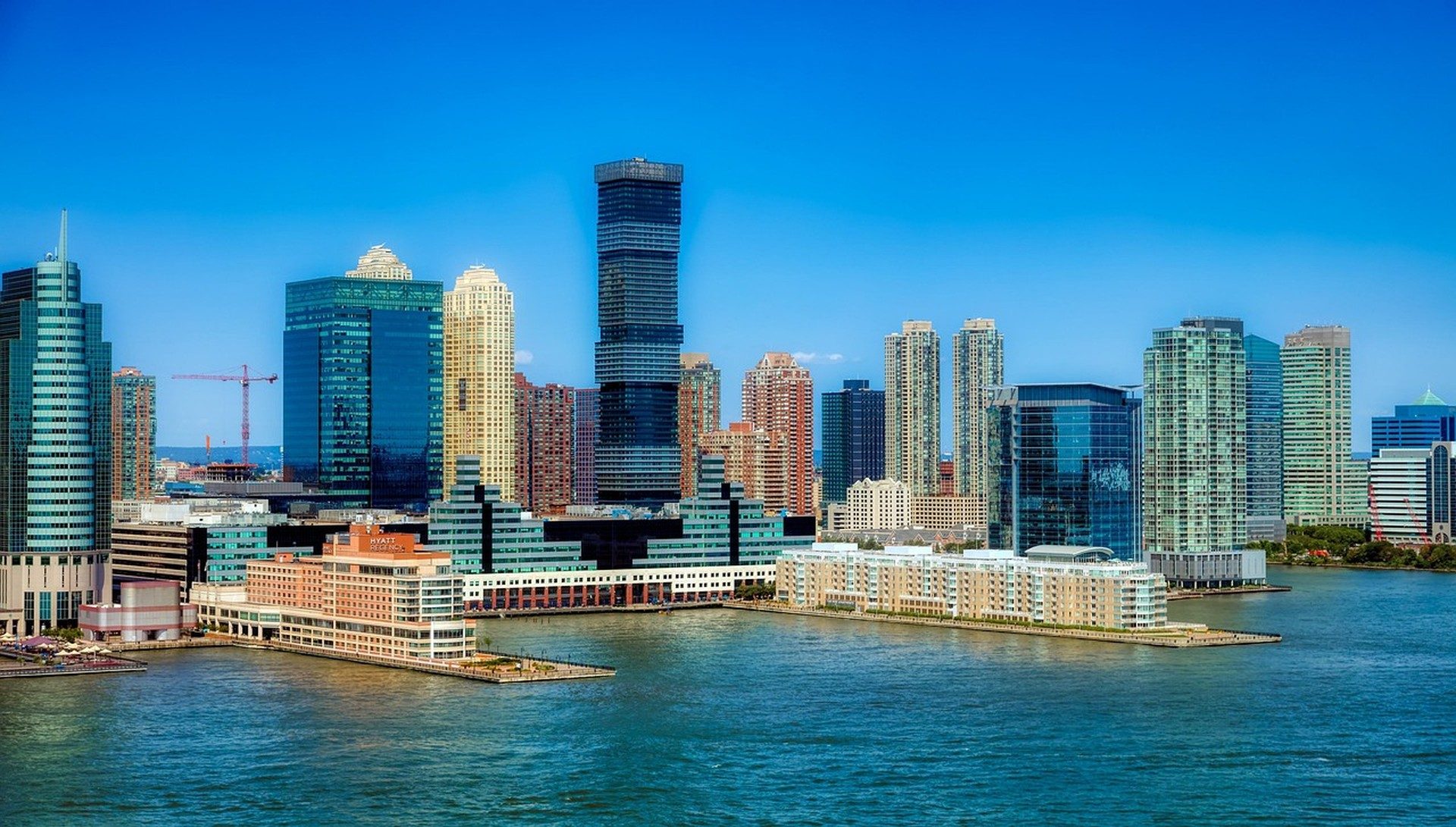
New York’s commercial real-estate market treats anonymity as a commercial preference rather than a regulatory right. Local counsel can keep an investor’s name off public filings for a limited period, yet ultimate ownership must surface once the deed is recorded. That reality shapes how Ghost Protocol is drafted for Manhattan towers. By contrast, certain secondary markets still allow longer private periods, provided anti-money-laundering checks clear. The difference is not ideology; it is statute and court precedent.
Readers who want concrete building examples can review the roundup of New York Trophy Office Towers Worth Watching. Those assets illustrate how Ghost Protocol documents are tailored when the underlying property already attracts global attention. The same documents would be rewritten if the asset sat in a quieter secondary city where fewer counterparties demand early name disclosure.
Banking Partners and Friction Points Inside Ghost Protocol
Banks that already clear Foundation traffic tend to treat Ghost Protocol as routine. Newer relationships often require extra compliance packets that lengthen the quiet window. The Bank for International Settlements regularly notes that cross-border correspondent banking continues to shrink, which means fewer institutions are willing to handle low-visibility flows. Ghost Protocol therefore prefers banks that maintain active nostro accounts in the target currency and that have pre-approved Foundation’s standard set of side letters.
Currency choice adds another layer. Dollar-denominated deals still dominate because of depth in New York clearing. When local currency is required, Ghost Protocol must lock a forward rate early enough that a sudden policy shift does not force a public hedge. The US Federal Reserve data series on overnight reverse-repo volumes give a daily read on dollar liquidity; Foundation desks watch those figures before green-lighting any multi-market Ghost Protocol schedule.
Regulatory Overlays That Rewrite the Same Protocol
Every market overlays its own tax-reporting, foreign-investment, and sanctions screens. Ghost Protocol never claims to bypass those screens; it simply sequences them so that public visibility arrives last. The OECD (Organisation for Economic Co-operation and Development) Common Reporting Standard, for example, forces automatic exchange of financial-account data. In OECD-aligned markets the protocol therefore opens a local account only after the investor has already satisfied the exchange rules through another jurisdiction. Non-aligned markets may allow earlier account opening, but Foundation still runs the same internal checks to keep global compliance uniform.
Investors weighing allocations among New York, Israel, and Ukraine will find the broader framework in the Investor FAQ: How to Allocate Across New York, Israel and Ukraine. That piece does not replace legal advice, yet it shows how Ghost Protocol sits inside a larger portfolio decision rather than standing alone.
Time Zones, Clearing Houses, and the Silent Transfer Window
When counterparties sit twelve hours apart, Ghost Protocol must choose a single cut-off time that both banks accept. Missing that cut-off can push settlement into the next local business day and trigger extra fees. Foundation therefore publishes an internal calendar that maps local holidays against major clearing-house calendars. The calendar is not public, but clients receive the relevant slice once a market is selected.
Clearing-house membership also matters. Some exchanges still require a local broker of record even for private bilateral deals. Ghost Protocol absorbs that requirement by inserting a pre-vetted local agent whose fee is disclosed in the term sheet. The agent never holds beneficial ownership; the agent only ensures that the final transfer message is accepted by the local system.
Cost Structures That Shift With Market Depth
In deep markets the incremental cost of Ghost Protocol is mostly legal drafting and escrow fees. In thinner markets the cost can include higher bank spreads, longer escrow periods, and occasional political-risk insurance. The World Bank investment-climate indicators offer a rough ranking of how quickly contracts are enforced; Foundation cross-checks those rankings against actual closing files before quoting a total Ghost Protocol fee.
Currency conversion costs can dwarf legal fees when the asset is priced in a thinly traded currency. Ghost Protocol therefore prefers to keep the purchase price in dollars or euros whenever local law allows, converting only the final local-tax or stamp-duty payment. That choice keeps the silent transfer window short and reduces the chance of a mid-process FX spike.
Legal Recourse Paths Once Ghost Protocol Closes
After title passes, the investor’s rights are ordinary contractual and property rights; Ghost Protocol itself ends. Enforcement therefore depends on the local court system’s speed and predictability. Foundation keeps a living matrix of average judgment times and preferred arbitration seats for each market. Clients who want a deeper comparison of support services can read How the Attache Program Compares Across Foundation Markets, which shows how on-the-ground representatives handle post-closing issues that Ghost Protocol never covers.
Sanctions and export-control screens remain live for the life of the asset. The International Monetary Fund publications on capital-flow measures give early warning when a country is tightening rules. Foundation’s compliance team maps those warnings against every active Ghost Protocol file so that no new capital is committed into a suddenly restricted corridor.
Reading Cross-Market Gaps Without a Spreadsheet
Three practical questions separate markets that treat Ghost Protocol as routine from those that treat it as exotic. First, how many local banks already hold pre-cleared documentation packages? Second, does the beneficial-ownership register allow a temporary private period that matches the expected closing timeline? Third, is the preferred arbitration seat recognized by the local courts for interim measures? When all three answers are “yes,” Ghost Protocol rarely surprises anyone. When any answer is “no,” Foundation rewrites the timeline and the fee quote before capital moves.
Further reading on New York-specific structures sits in the New York archive and on the dedicated Foundation Newyork pages. Operational detail for active clients appears on the Foundation New York platform. Anyone still sorting basic process questions can start with the site-wide FAQ (frequently asked questions).
Ghost Protocol is not a single product that travels unchanged. It is a disciplined sequence that adapts to each market’s banks, registers, and courts while keeping the investor’s name out of the headlines until the deal is done. Understanding those local adaptations is the only way to keep the protocol quiet and the capital productive.
See also Foundation New York platform.
Related Foundation reading: Contact and Israel and Gulf Investment Corridors: Scenario Planning Through 2030.
Timeless Value. Perpetual Legacy.